This Level 3 damp survey and QPCR mould analysis was performed on a two-storey house in Morden (SM4). The property owner arranged an independent investigation to assess internal mould growth and determine whether structural defects were present. Obtaining an objective assessment provided clarity before committing to any home repairs.
About the Issue
The homeowner observed extensive mould growth covering the bathroom ceiling and walls, along with crumbling plaster beside the front entrance door. Unsure of the root cause, they feared that rising damp or penetrating rainwater was actively damaging the building structure.
The Challenge
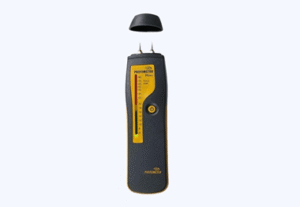
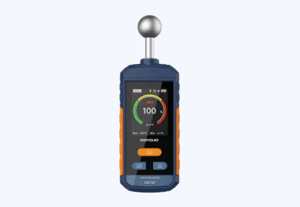
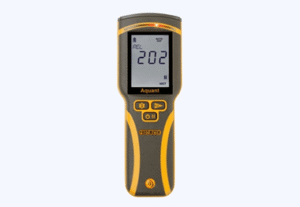
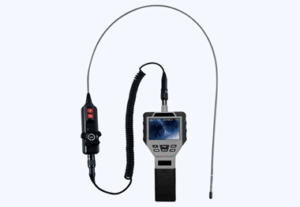
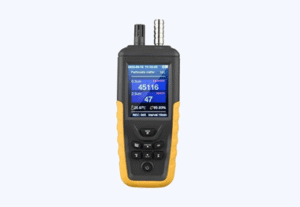
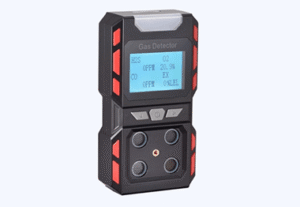
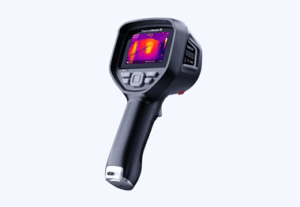
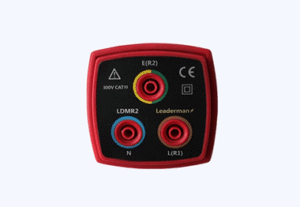
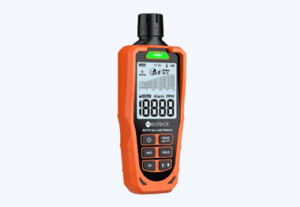
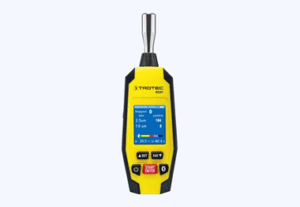
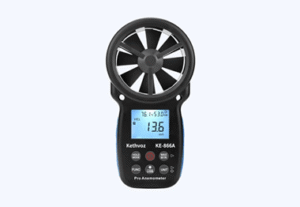
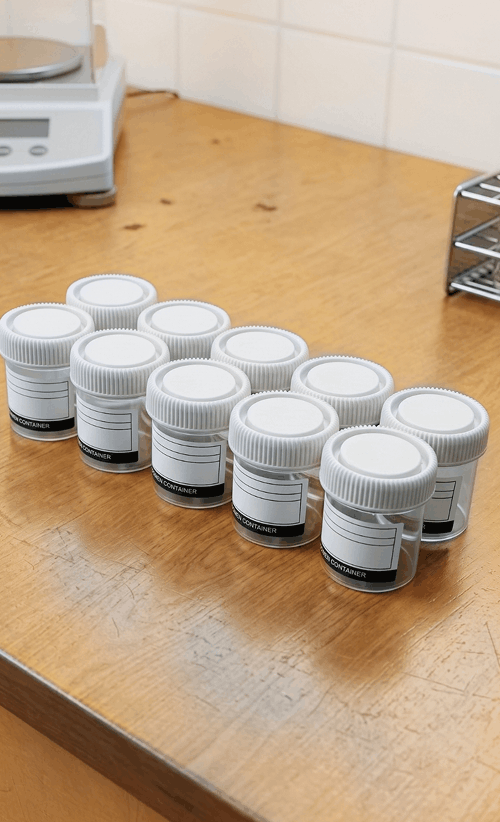
A comprehensive investigation was executed from roof height down to ground floor masonry. The survey incorporated aerial drone checks, moisture meter readings, fan airflow measurement and DNA-based swab analysis.
The investigation established several diagnostic facts:
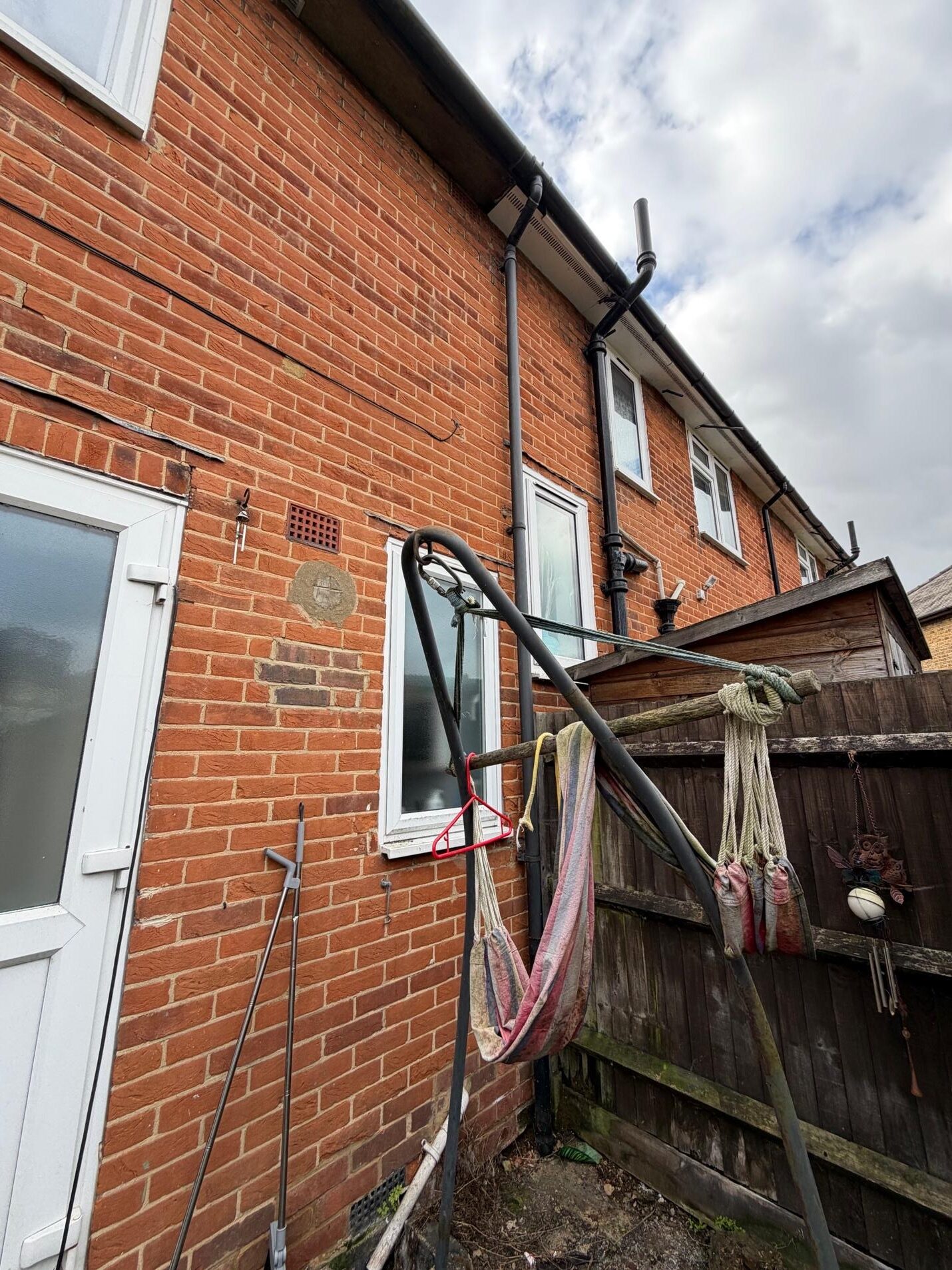
- Drone checks verified the roof covering was defect-free, external brickwork and pointing were intact and no plumbing leaks, blocked drains, or timber rot (dry rot, wet rot, woodworm) existed.
- Area testing confirmed all upper and ground floor rooms were dry, including the loose plaster near the front door, which exhibited no dampness.
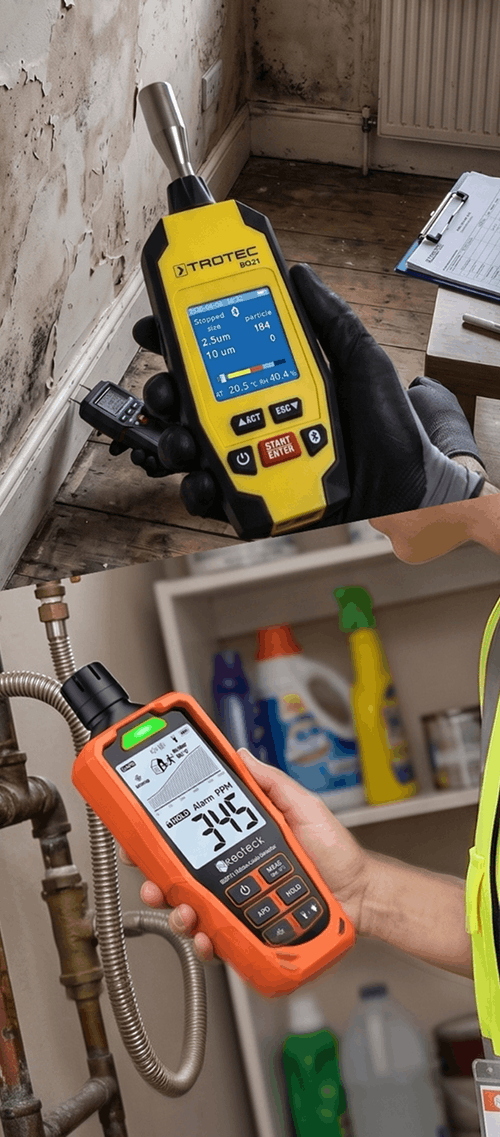
- Moisture readings on bathroom walls and ceiling were dry, internal humidity was 54.7% and extractor fan airflow was measured at 275.6 ft/min.
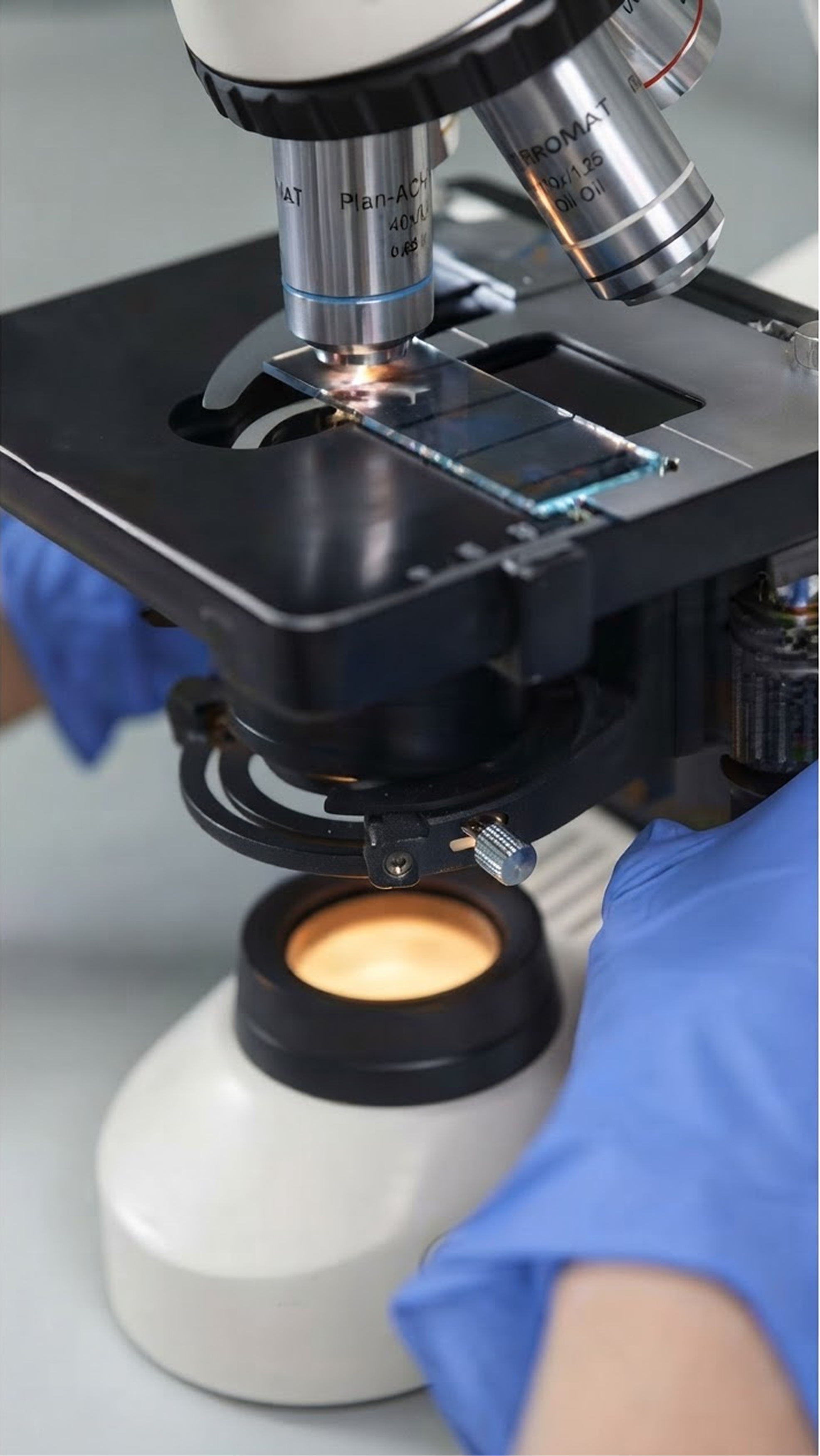
- QPCR DNA swab analysis revealed condensation-linked mould species: Aspergillus spp., Penicillium spp., Cladosporium spp. and a low presence of Stachybotrys spp.
A broken external waste pipe at the rear created localised exterior green algae and fungal growth, but testing confirmed zero impact on the interior. The diagnostic reasoning proved that cold wall surfaces reacting with shower steam created localised condensation mould, while the main structure remained completely dry.
The Solution
Eliminating the bathroom mould requires raising wall surface temperatures and optimising airflow using the following plan:
- Fit thermal (insulated) plasterboard to bathroom walls and the ceiling to raise surface temperatures and prevent condensation (Estimated Cost: £2,000).
- Adopt improved ventilation habits, including closing the bathroom door during and after showering, opening windows during bathing and allowing the fan to run fully.
- Operate a dehumidifier on auto mode set to 50% humidity with windows closed to manage atmospheric moisture.
The Outcome
The homeowner avoided paying for unnecessary chemical damp proofing injections or external masonry rendering. The survey proved that the property’s structure was thoroughly sound, limiting necessary work to a £2,000 thermal plasterboard installation and simple ventilation improvements in the bathroom.
Why This Case Matters
Cold bridging on uninsulated external walls frequently triggers condensation mould that looks identical to penetrating damp. Independent damp diagnostic surveys isolate physical surface temperatures and atmospheric humidity from liquid water ingress, protecting homeowners from over-engineered contractor quotes.