



Laboratory Analysis of Plaster Samples
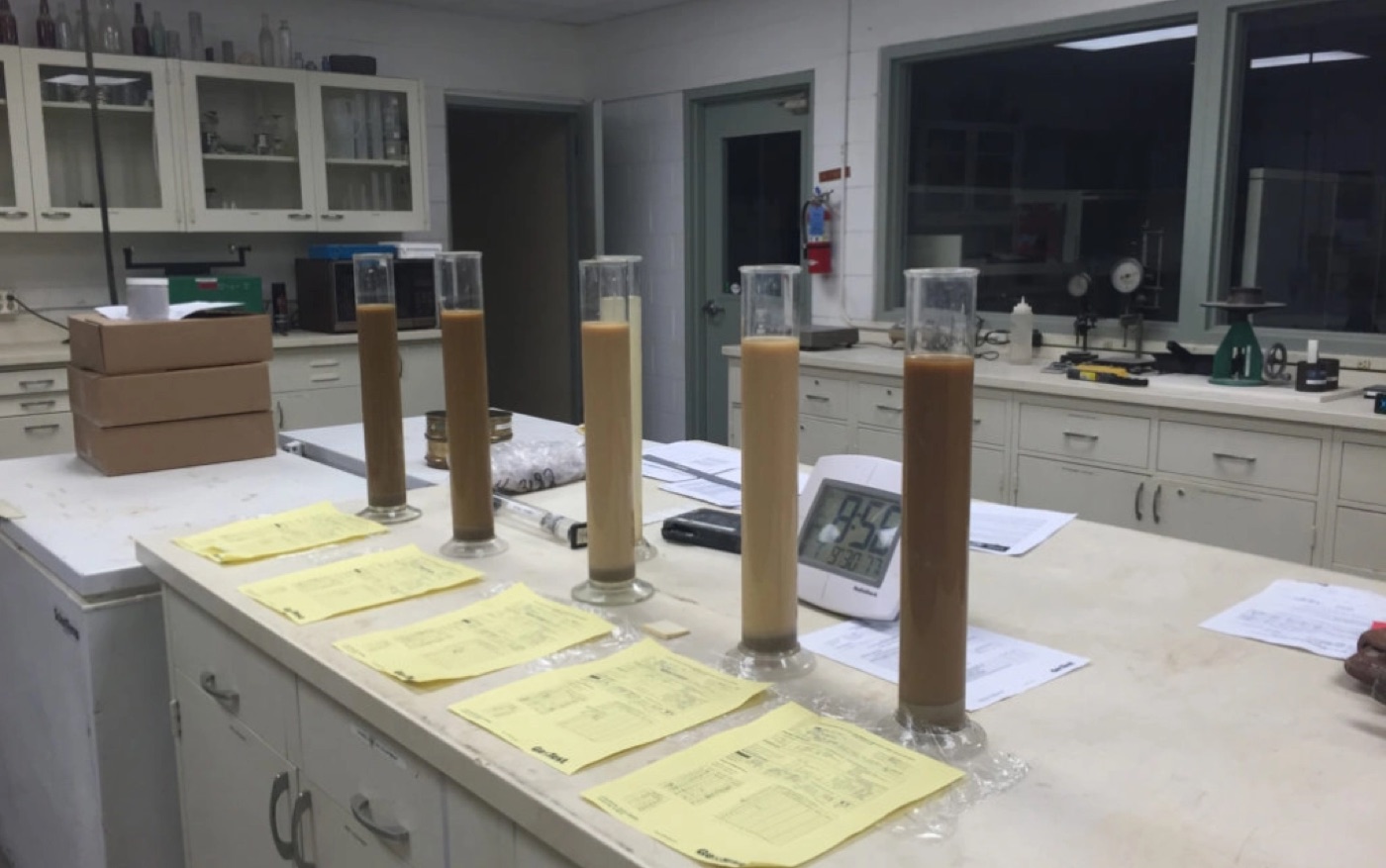
Description: Small plaster samples are extracted from affected masonry walls and submitted to an independent testing laboratory. The lab analyses the sample for hygroscopic salts (specifically nitrates and chlorides).
Value: Scientifically differentiates true rising damp (which deposits ground salts over time) from surface condensation or lateral penetrating damp. Ensures that remedial recommendations are based on chemical analysis rather than surface meter readings alone.
Price £299 + VAT
Check Availability And Book Now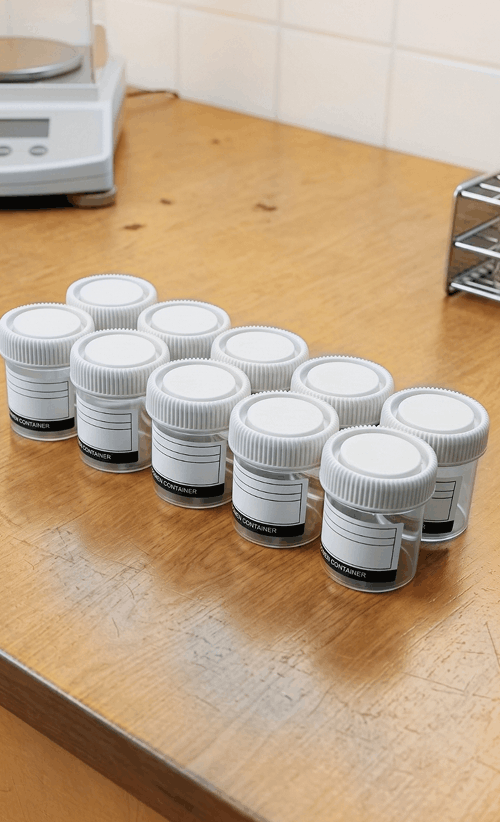
This service can be beneficial when:
- The cause of low-level dampness is disputed.
- Moisture-meter readings are inconsistent.
- A property has undergone previous damp-proofing.
- Old plaster continues to attract moisture.
- Independent laboratory evidence is required.
- Several possible moisture sources are present.
Before You Book
Note: Salt analysis is only one part of the investigation. Results must be assessed alongside the location of moisture, condition of the masonry, external ground levels, damp-proof course and potential plumbing or rainwater defects. Requires minor invasive plaster sampling (the only add-on requiring material removal). Survey fee credited when repairs are completed by us.
Price £299 + VAT
Click Here To Check Availability And Book Now ❯FAQs
What exactly is tested?
Small plaster samples are extracted from affected masonry walls and submitted to an independent testing laboratory. The lab analyses the sample for hygroscopic salts, specifically nitrates and chlorides.
Why does a salt test matter?
It scientifically differentiates true rising damp, which deposits ground salts over time, from surface condensation or lateral penetrating damp. That way remedial recommendations are based on chemical analysis rather than surface meter readings alone.
Does the test damage the wall?
It requires minor invasive plaster sampling. This is the only add-on that requires material removal.
Is the salt result conclusive on its own?
No. Salt analysis is only one part of the investigation. Results must be assessed alongside the location of moisture, condition of the masonry, external ground levels, damp-proof course and potential plumbing or rainwater defects.
Do I pay for this twice if you carry out the repairs?
No. The survey fee is credited when repairs are completed by us.
Survey Levels and Equipment Provided
Select Your Survey
Basic Moisture Survey
Standard price: £299 + VAT
Special offer: £199 + VAT until the end of this week
The Level 1 survey provides a basic assessment of the main accessible internal surfaces. It is most appropriate for simple, localised damp concerns where advanced testing is not required.
Equipment Included
- Professional damp meter
Survey Checks
- Accessible walls
- Accessible floors
- Ceilings
- Visible plumbing and drainage leak inspection
- Damp-control and prevention information
Suitable For
This survey is suitable for a customer who has found an isolated damp patch, suspects rising damp in a limited area or wants a straightforward check of the property’s accessible surfaces.
Only a standard damp meter is included. Customers requiring deep moisture detection, timber inspection, thermal imaging or roof inspection should select a higher survey level.
The survey fee will be deducted if we carry out the recommended work.
Damp, Moisture and Timber Survey
Standard price: £399 + VAT
Special offer: £299 + VAT until the end of this week
Level 2 includes everything in the Level 1 inspection and adds deeper moisture detection, non-invasive scanning and timber assessment.
Equipment Included
- Professional damp meter
- Deep-reading moisture meter
- Non-invasive moisture scanner
Survey Checks
- Accessible walls, floors and ceilings
- Visible plumbing and drainage leak checks
- Subsurface moisture readings
- Non-invasive scanning of appropriate materials
- Accessible underfloor and subfloor checks
- Wet rot inspection
- Dry rot inspection
- Woodworm inspection
- Damp prevention information
Suitable For
This level is intended for customers who require a more detailed inspection of dampness and timber condition. It is appropriate when moisture may be concealed within building materials or beneath accessible flooring.
The survey may identify evidence of timber decay or wood-boring insects and assess moisture in locations that cannot be properly examined with a surface meter alone.
Level 2 is particularly useful for homebuyers and sellers who want more information about damp and timber before completing a transaction.
The amount paid for the survey will be deducted from repairs undertaken by us.
Full Damp and Property Condition Survey
Standard price: £499 + VAT
Special offer: £399 + VAT until the end of this week
Level 3 is our most detailed inspection. It combines the checks from Levels 1 and 2 with advanced diagnostic technology, ventilation measurements and external roof-level assessment.
Equipment Included
- Professional damp meter
- Deep-reading moisture meter
- Non-invasive moisture scanner
- Thermal imaging camera
- Indoor humidity sensor
- HD borescope camera
- Airflow and ventilation tester
- 4K inspection drone
- Socket and RCD testing device
Survey Checks
- Accessible walls, floors and ceilings
- Visible plumbing and drainage
- Deep moisture investigation
- Non-destructive moisture scanning
- Accessible floor voids and subfloors
- Wet rot, dry rot and woodworm
- Infrared thermal imaging
- Indoor relative humidity
- Extractor-fan performance
- Borescope examination where suitable
- Visible damp-proof course
- External brickwork and pointing
- Roof coverings and junctions
- Chimney stacks and flashing
- Guttering and rainwater systems
- High-level exterior areas
- General visible structural condition
- Basic Electrical Test, socket and RCD screening
- Drone photographs, subject to safe flying conditions
Suitable For
The Level 3 survey is recommended for buyers, sellers and existing owners who want the most extensive moisture assessment available.
It is especially useful for older properties, houses with several reported defects, basement buildings and cases involving damp, mould, leaks, poor ventilation, timber decay or roof problems.
The inspection considers the property as a connected building rather than examining only the visible damp patch. A roof or gutter defect, for example, may allow water to enter at a high level and appear some distance away internally.
The drone component provides valuable information about roofs, chimneys, parapets and guttering that cannot normally be seen from the ground. These areas may contain hidden repair costs capable of affecting a property purchase.
Identifying damage before buying can help the purchaser budget correctly, request further specialist advice or use the findings during negotiations. Even a relatively small roof defect may cost more to repair than the difference between the survey packages.
If we complete the recommended remedial work, your survey payment will be credited against the price.
Contact Us
If you have some questions, please complete this form:
Book and Pay for a survey
If you are ready to book a survey and pay, please complete this form:

Contact Us
If you have some questions, please complete this form:
Book and Pay for a survey
If you are ready to book a survey and pay, please complete this form:
Contact Us
If you have some questions, please complete this form:
Book and Pay for a survey
If you are ready to book a survey and pay, please complete this form: