Level 3 Damp Survey in Thames Ditton (KT7)

Back to all Case Studies
Level 3 Damp Survey in Thames Ditton (KT7)

This independent Level 3 damp survey evaluated a residential property located in Thames Ditton (KT7). Commissioned by the property owner to determine the source of kitchen floor moisture, the survey delivered an objective, evidence-based diagnostic check. The assessment evaluated the subfloor structure, pipe trenching and external elevations without commercial bias.

About the Issue

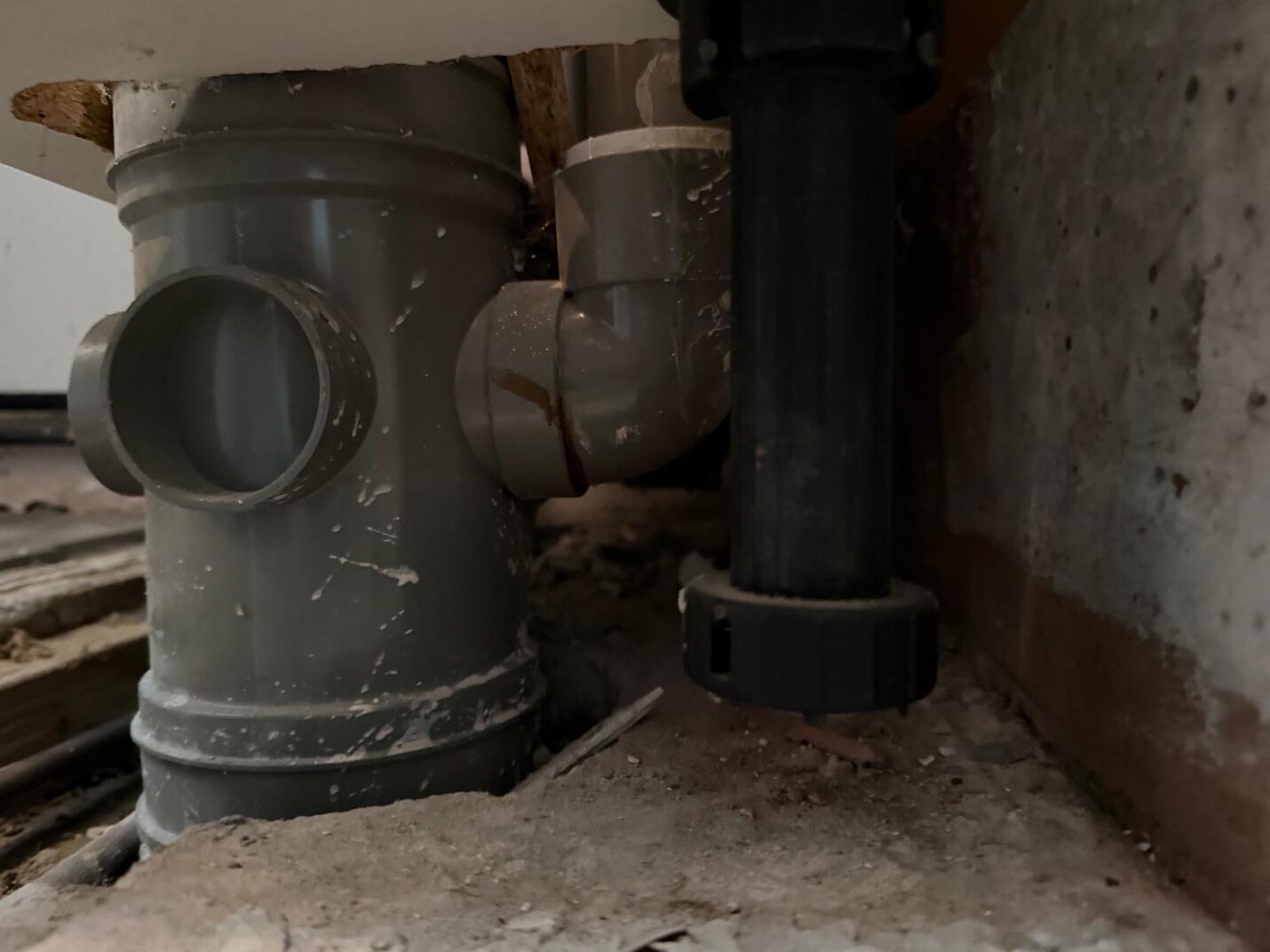
The homeowner observed dampness along an exposed concrete floor trench in the kitchen. Fearing that rising groundwater was saturating the slab or that subfloor joists and base units were deteriorating, they requested a professional inspection to determine the necessary repair sequence.

The Challenge

The surveyor conducted a comprehensive Level 3 investigation across the kitchen area and external perimeters, testing concrete moisture content and checking external ground heights.

Testing and visual observations gathered clear factual evidence:

  • Calibrated moisture meters confirmed elevated dampness concentrated beside the trench closest to the kitchen cabinetry.
  • External checks confirmed that external ground levels were well maintained and not causing lateral water penetration into the floor slab.
  • All external ground bridging causes were ruled out, narrowing the root cause down to either concealed pipework leakage or a defective subfloor damp-proof membrane (DPM).
  • The findings confirmed that leak detection must occur first, as damp proofing over an uncorrected plumbing leak would cause water to build up and spread.

The diagnostic reasoning provided a decision framework balancing repair thoroughness against property disruption.

The Solution

To permanently resolve the moisture issue, the survey recommended a structured diagnostic and remedial sequence:

  • Plumbing Verification: Instruct a plumber specialising in leak detection to conduct pressure testing and tracer gas checks on trench pipework. If a leak is corrected, allow one month of natural drying before re-testing with a damp meter.
  • Remedial Option 1 (Maximum Protection): If rising ground moisture is proven, remove kitchen units and tiles, break out the concrete, lay a new plastic DPM beneath new concrete and reinstate finishes.
  • Remedial Option 2 (Balanced Protection): Remove kitchen units and tiles, prepare the slab and apply a liquid DPM across the entire kitchen floor surface.
  • Remedial Option 3 (Localised Fix): Apply a liquid DPM strictly to the exposed concrete in the trench area before re-tiling, accepting potential moisture risks in untreated adjacent areas.

The Outcome

The property owner achieved complete peace of mind knowing the exact cause was narrowed down, and external ground levels were sound. By following an independent diagnostic report, they avoided unnecessary slab excavation, starting with targeted plumbing pressure tests.

Why This Case Matters

Subfloor pipe trenches in concrete slabs create complex moisture dynamics. Independent diagnostic surveys establish clear, step-by-step protocols that resolve potential plumbing leaks first before evaluating full-slab versus localised DPM treatments.

FAQ s
Why is Option 1 considered the most thorough floor repair?

Option 1 replaces the subfloor entirely, placing a thick plastic DPM underneath new concrete to block ground moisture before it ever enters the slab.

What should happen after a leaking pipe is repaired in the floor trench?

The floor should be allowed to dry naturally for approximately one month, assisted by heating or dehumidification, before taking damp meter readings to confirm drying.

Can liquid DPM be applied directly over existing tiles?

No. Floor tiles and surface coatings must be removed to expose the raw concrete, which then requires mechanical preparation before liquid DPM application.

Protect your home from unnecessary building work with an independent damp assessment.

Equipment Used During Our Surveys

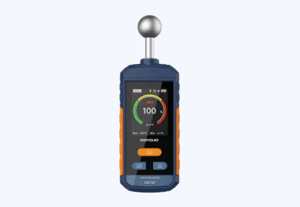
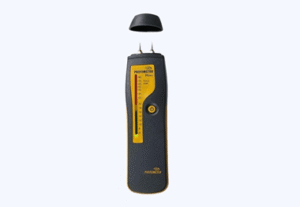
Professional Moisture Meter

Equipment Used During Our Surveys

Purpose:

Takes comparative moisture readings from walls, ceilings, floors and timber to identify abnormal moisture patterns.

Common Uses / Notes:

Used when investigating rising damp, penetrating damp, condensation and leaks. Readings support the survey but are not a diagnosis on their own.

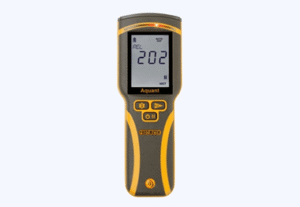
Subsurface Moisture Meter

Subsurface Moisture Meter

Purpose:

Detects moisture beneath the surface of suitable building materials.

Common Uses / Notes:

Helps determine whether moisture is confined to surface finishes or extends into the building fabric.

Non-Damaging Moisture Scanner

Non-Damaging Moisture Scanner

Purpose:

Scans surfaces for hidden moisture without causing damage.

Common Uses / Notes:

Ideal for decorated walls, ceilings and flooring where pin testing would be undesirable.

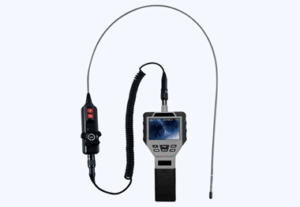
High-Resolution Borescope Camera

High-Resolution Borescope Camera

Purpose:

Inspects hidden or difficult-to-access areas without opening up large sections of the building.

Common Uses / Notes:

Used beneath floors, inside cavities, behind walls and around pipework to identify damp, leaks, decay and concealed defects.

4K Aerial Inspection Drone

4K Aerial Inspection Drone

Purpose:

Captures high-resolution images of roofs and other inaccessible external areas.

Common Uses / Notes:

Inspects roof coverings, chimneys, flashing, gutters, valleys, parapets and high-level masonry. Subject to weather, safety requirements and flight regulations.

Atmospheric Humidity Sensor

Atmospheric Humidity Sensor

Purpose:

Measures indoor relative humidity levels.

Common Uses / Notes:

Helps assess condensation and mould risk alongside temperature, ventilation, heating patterns and room usage.

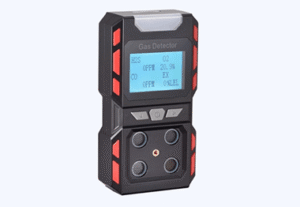
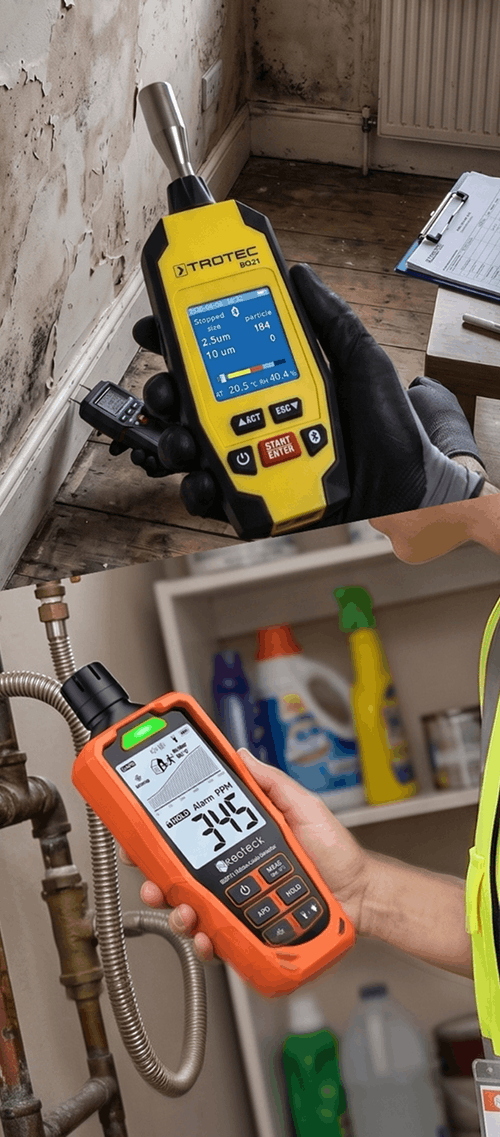
Gas Detection Monitor

Gas Detection Monitor

Purpose:

Screens for certain airborne gases where unusual odours are present.

Common Uses / Notes:

May detect gases associated with drainage, combustion or flammable substances. Does not replace inspection by a Gas Safe registered engineer where gas appliances or pipework are involved.

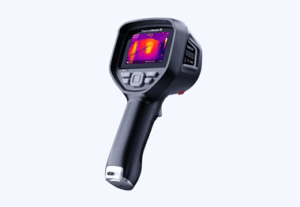
Thermal Imaging System

Thermal Imaging System

Purpose:

Identifies temperature differences across building surfaces.

Common Uses / Notes:

Helps locate cold spots, thermal bridging, insulation defects and areas associated with concealed moisture. Results always require further investigation to confirm the cause.

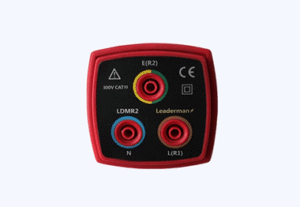
Basic Socket and RCD Tester

Basic Socket and RCD Tester

Purpose:

Performs limited electrical checks during comprehensive surveys.

Common Uses / Notes:

Can identify basic socket wiring issues, AC voltage and RCD operation. It is not an Electrical Installation Condition Report (EICR).

Chemical Vapour Testing Device

Chemical Vapour Testing Device

Purpose:

Screens for airborne volatile organic compounds (VOCs) and formaldehyde.

Common Uses / Notes:

Used where chemical odours, emissions from materials or indoor air-quality concerns are suspected after leaks or refurbishment.

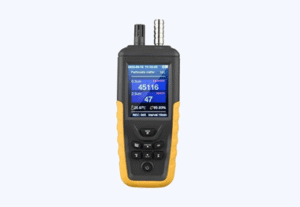
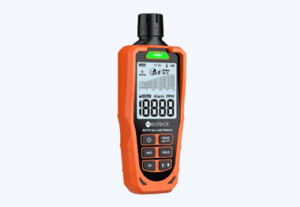
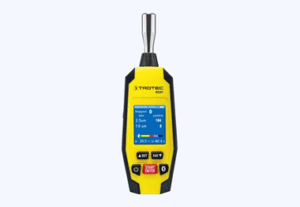
Fine Air Particle Counter

Fine Air Particle Counter

Purpose:

Measures airborne particulate matter (PM1.0, PM2.5 and PM10)

Common Uses / Notes:

Assists with investigations involving dust, smoke, mould concerns, post-construction contamination and indoor air quality following water damage.

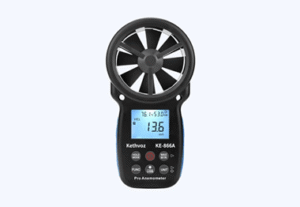
Extraction and Air-Movement Tester

Extraction and Air-Movement Tester

Purpose:

Measures the performance of extractor fans and mechanical ventilation systems.

Common Uses / Notes:

Used in kitchens, bathrooms and utility rooms to identify poor ventilation that may contribute to condensation and mould growth.

Survey Levels and Equipment Provided

Select Your Survey

Level 1

Basic Moisture Survey

Standard price: £299 + VAT

Special offer: £199 + VAT until the end of this week

Offer ends in--Days--Hours--Mins--Secs

The Level 1 survey provides a basic assessment of the main accessible internal surfaces. It is most appropriate for simple, localised damp concerns where advanced testing is not required.

Equipment Included

  • Professional damp meter

Survey Checks

  • Accessible walls
  • Accessible floors
  • Ceilings
  • Visible plumbing and drainage leak inspection
  • Damp-control and prevention information

Suitable For

This survey is suitable for a customer who has found an isolated damp patch, suspects rising damp in a limited area or wants a straightforward check of the property’s accessible surfaces.
Only a standard damp meter is included. Customers requiring deep moisture detection, timber inspection, thermal imaging or roof inspection should select a higher survey level.

The survey fee will be deducted if we carry out the recommended work.

Click Here To Check Availability And Book Now ❯
Level 2

Damp, Moisture and Timber Survey

Standard price: £399 + VAT

Special offer: £299 + VAT until the end of this week

Offer ends in--Days--Hours--Mins--Secs

Level 2 includes everything in the Level 1 inspection and adds deeper moisture detection, non-invasive scanning and timber assessment.

Equipment Included

  • Professional damp meter
  • Deep-reading moisture meter
  • Non-invasive moisture scanner

Survey Checks

  • Accessible walls, floors and ceilings
  • Visible plumbing and drainage leak checks
  • Subsurface moisture readings
  • Non-invasive scanning of appropriate materials
  • Accessible underfloor and subfloor checks
  • Wet rot inspection
  • Dry rot inspection
  • Woodworm inspection
  • Damp prevention information

Suitable For

This level is intended for customers who require a more detailed inspection of dampness and timber condition. It is appropriate when moisture may be concealed within building materials or beneath accessible flooring.

The survey may identify evidence of timber decay or wood-boring insects and assess moisture in locations that cannot be properly examined with a surface meter alone.
Level 2 is particularly useful for homebuyers and sellers who want more information about damp and timber before completing a transaction.

The amount paid for the survey will be deducted from repairs undertaken by us.

Click Here To Check Availability And Book Now ❯

Specialist Survey Add-On Services

For complex damp investigations, we offer three specialised laboratory and environmental testing add-ons:

Add-On Service 1

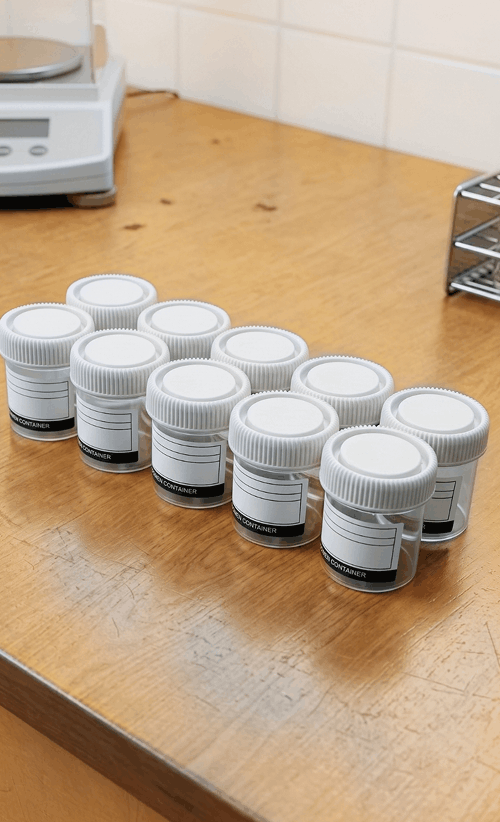
Laboratory Analysis of Plaster Samples

Price £299 + VAT

Description: Small plaster samples are extracted from affected masonry walls and submitted to an independent testing laboratory. The lab analyses the sample for hygroscopic salts (specifically nitrates and chlorides).

Value: Scientifically differentiates true rising damp (which deposits ground salts over time) from surface condensation or lateral penetrating damp. Ensures that remedial recommendations are based on chemical analysis rather than surface meter readings alone.

This service can be beneficial when:

  • The cause of low-level dampness is disputed.
  • Moisture-meter readings are inconsistent.
  • A property has undergone previous damp-proofing.
  • Old plaster continues to attract moisture.
  • Independent laboratory evidence is required.
  • Several possible moisture sources are present.

Note: Salt analysis is only one part of the investigation. Results must be assessed alongside the location of moisture, condition of the masonry, external ground levels, damp-proof course and potential plumbing or rainwater defects. Requires minor invasive plaster sampling (the only add-on requiring material removal). Survey fee credited when repairs are completed by us.

Click Here To Check Availability And Book Now ❯
Add-On Service 2

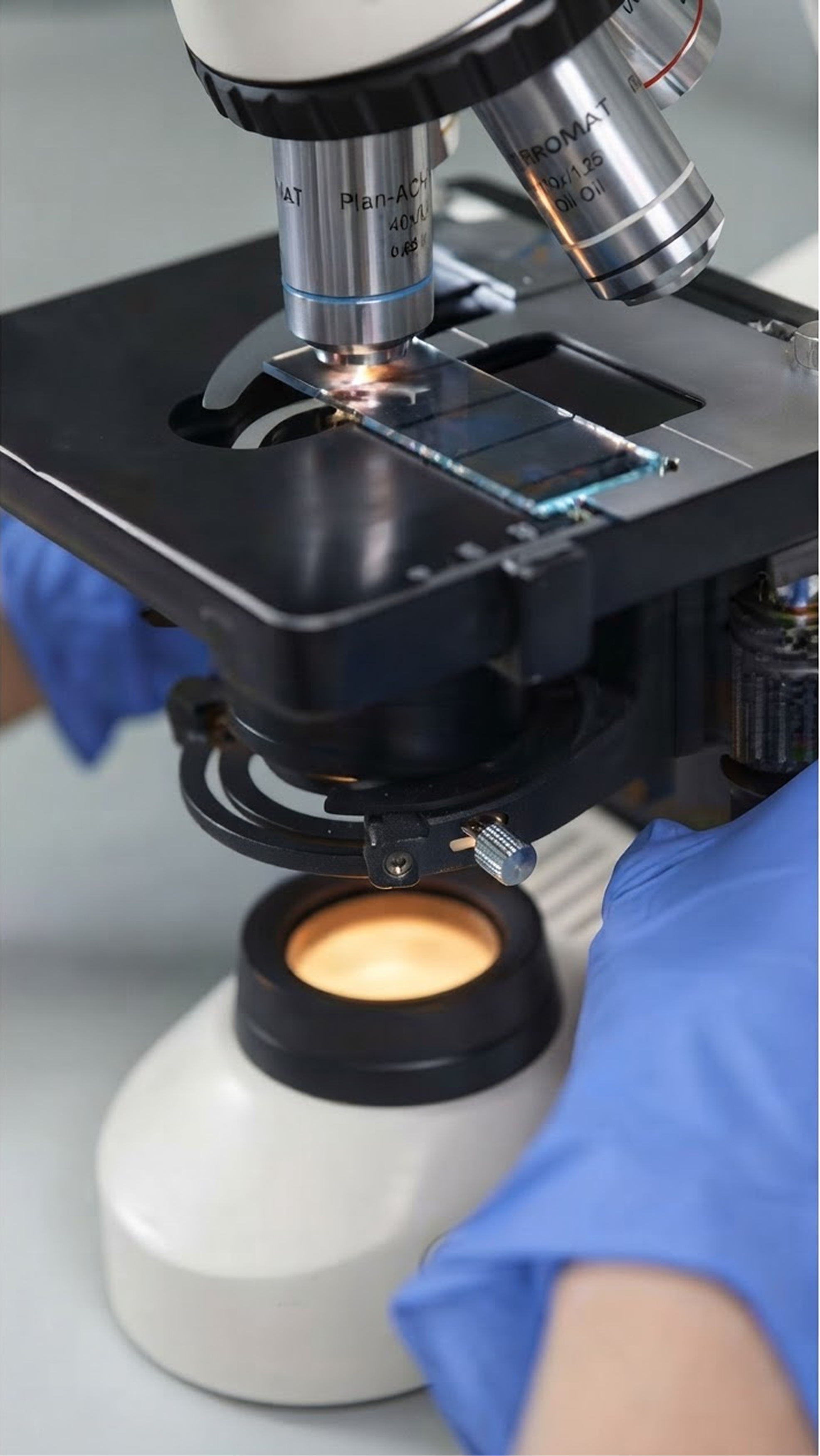
Mould Identification & qPCR DNA Testing

Price £299 + VAT

Description:  Surface swab samples are collected and sent to an accredited laboratory for advanced qPCR DNA analysis. Identifies exact mould species, measures spore concentrations and detects hidden fungal growth behind furniture, within void spaces, or under floorboards.

Value: Provides precise scientific data regarding mould toxicity and contamination levels, helping establish the exact scale of cleaning, drying and structural remediation needed.

Laboratory mould testing may be useful when:

  • There is an unexplained musty odour.
  • Visible mould repeatedly returns.
  • Water damage occurred previously.
  • Mould is suspected behind cupboards or furniture.
  • Contamination may be present in a concealed location.
  • The visible extent of growth is uncertain.
  • Independent results are needed.
  • Remediation work is being planned.

Note: The results can provide a clearer indication of whether contamination appears minor, concentrated or potentially widespread. This information may be used when deciding the scale of cleaning, removal, drying or remedial work required. Testing should be combined with an investigation of the moisture source. Removing visible mould without resolving the underlying condensation, leak or ventilation problem may allow it to return. Survey fee credited against subsequent remediation works completed by us.

Click Here To Check Availability And Book Now ❯
Air Quality, Gas, Vapour & Airborne Particle Screening
Add-On Service 3

Air Quality, Gas, Vapour & Airborne Particle Screening

Price £299 + VAT

Description:  Comprehensive environmental air testing including:

  • Indoor environmental quality – IAQ
  • Volatile organic compounds – VOC and TVOC
  • Formaldehyde – HCHO
  • Fine airborne particles – PM1.0, PM2.5 and PM10
  • Dust and smoke particles
  • Sewer gases – H2S, NH3 and CH4
  • Flammable gases – CH4 and C3H8
  • Carbon monoxide – CO
  • Hydrogen sulphide – H2S
  • Ammonia – NH3
  • Oxygen measurement – O2
  • Ventilation and stale-air assessment
  • Drain-smell investigation
  • Chemical-odour investigation
  • Air checks following a leak or flood
  • Combustion-related screening
  • Building-material off-gassing assessment
  • General airborne pollutant monitoring

Value: Pinpoints invisible airborne hazards, toxic sewer gases, chemical off-gassing and foul odours resulting from damp or trapped water.

This service can assist when investigating:


  • Persistent foul smells
  • Suspected sewer or drain odours
  • Chemical smells
  • Stale indoor air
  • Odours following water damage
  • Possible stagnant water
  • Building material emissions
  • Fine dust after construction work
  • Poorly ventilated rooms

Note: Unpleasant odours can have several possible sources. Measurements for specific gases, compounds and particles may help identify which source requires further investigation. The assessment is a screening service and does not replace specialist gas-safety, environmental or medical testing where this is necessary. Survey fee credited against subsequent repair works completed by us.

Click Here To Check Availability And Book Now ❯

Contact Us

If you have some questions, please complete this form:

Book and Pay for a survey

If you are ready to book a survey and pay, please complete this form:

Book Survey

Contact Us

If you have some questions, please complete this form:

Book and Pay for a survey

If you are ready to book a survey and pay, please complete this form:

Book Survey

Contact Us

If you have some questions, please complete this form:

Book and Pay for a survey

If you are ready to book a survey and pay, please complete this form:

Book Survey