A Level 3 damp survey was conducted on a residential house in Thames Ditton (KT7) to evaluate floor dampness surrounding a kitchen pipe trench. The property owner instructed an independent damp specialist to obtain an authoritative, evidence-based diagnostic baseline. The assessment provided an objective report free from contractor sales pressure.
About the Issue
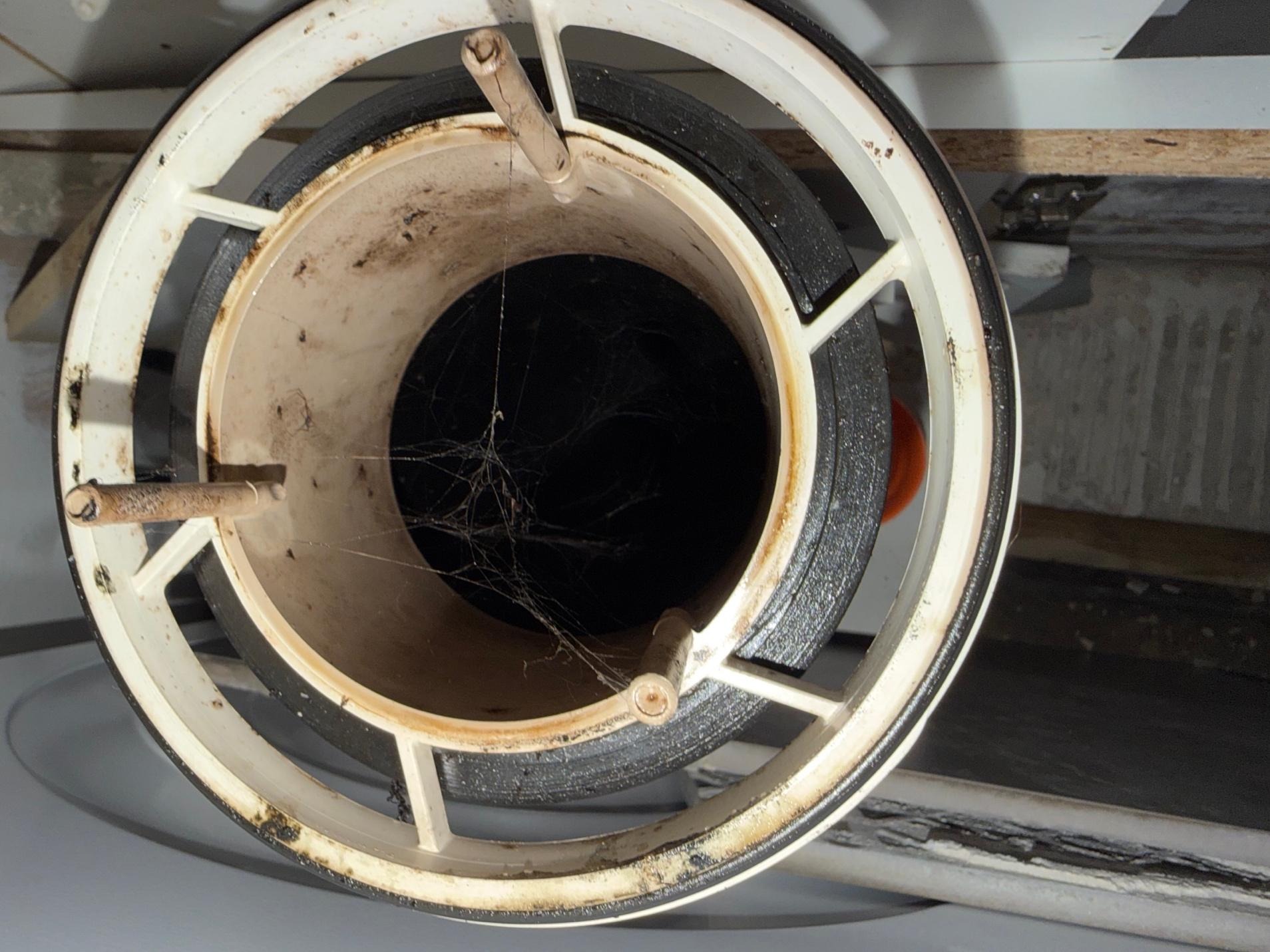
Discolouration and elevated moisture readings around an exposed floor trench in the kitchen raised serious concerns for the homeowner. Because water pipes serving the kitchen units run inside the trench, they needed to confirm whether a hidden plumbing burst or ground moisture rise was responsible.
The Challenge
The surveyor performed a top-to-bottom inspection of the kitchen subfloor, adjacent units and external building perimeters to isolate the moisture source.
Diagnostic testing produced clear physical evidence:
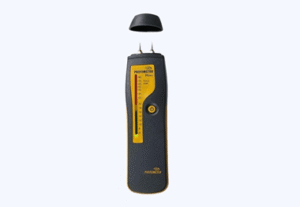
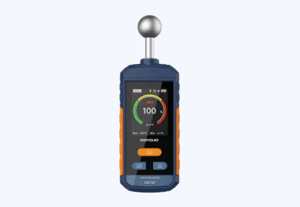
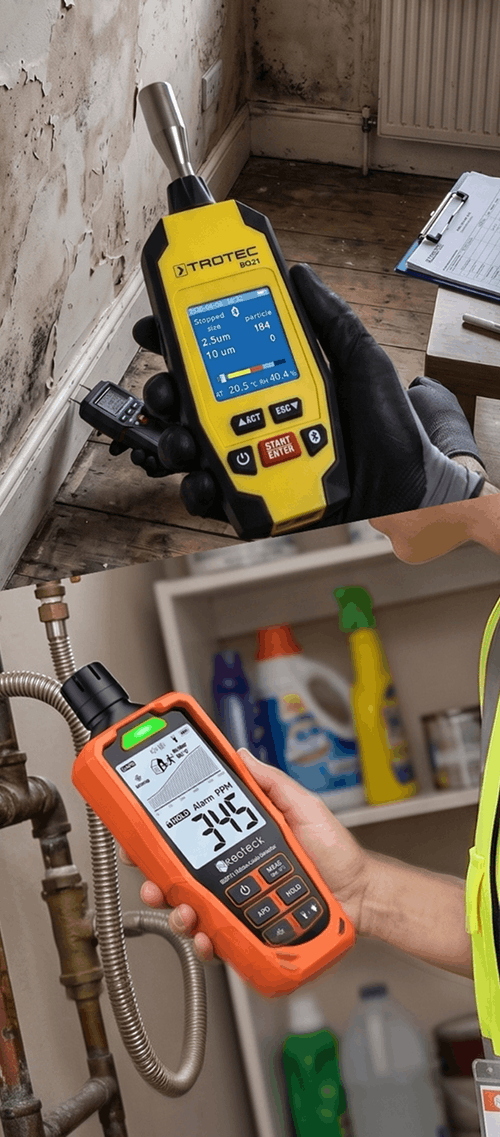
- Quantitative damp testing recorded peak moisture levels along the edge of the trench nearest the kitchen units.
- External checks confirmed ground levels were satisfactory, with zero evidence of groundwater bridging the DPC or penetrating the floor slab externally.
- All other potential sources were systematically ruled out, leaving two primary causes: a pipework leak within the trench or a compromised subfloor damp-proof membrane (DPM).
- The evidence proved that plumbing pressure testing must precede any subfloor damp-proofing to prevent sealing over an active leak.
The surveyor established that if plumbing testing proves the pipework is sound, the owner can select from three distinct levels of floor damp-proofing based on their budget and disruption tolerance.
The Solution
The survey report provided a clear, phased roadmap to resolve the floor dampness:
- Step 1 – Leak Detection: Engage an experienced plumber to carry out pressure testing and tracer gas leak detection on all pipes within the trench. If a leak is identified, repair the pipework and allow the floor to dry naturally for one month before re-testing with a damp meter.
- Step 2A (Option 1 – Excavation & Plastic DPM): If subfloor moisture rise is confirmed, remove kitchen units, excavate the existing floor, lay a new plastic DPM underneath a fresh concrete slab and reinstall finishes.
- Step 2B (Option 2 – Full Slab Liquid DPM): Remove kitchen units and tiles, prepare the concrete surface and coat the full floor with a liquid DPM before refitting finishes.
- Step 2C (Option 3 – Localised Trench Liquid DPM): Apply a liquid DPM exclusively to the exposed trench concrete as a low-disruption, localised repair, acknowledging the risk of moisture migrating to untreated adjacent slab areas.
The Outcome
The survey provided the homeowner with absolute certainty regarding their options. Armed with an independent diagnostic report, they avoided premature building works and instructed a plumber to conduct pressure testing as the essential first step.
Why This Case Matters
Concealed floor pipework leaks can mimic rising subfloor dampness. Independent damp specialists prioritise non-destructive leak detection before recommending slab excavation or liquid membranes, saving property owners from misdirected construction costs.