An independent Level 3 damp survey was carried out on a residential home in Thames Ditton (KT7). The property owner requested the survey to investigate concrete floor dampness around an exposed kitchen pipe trench. The comprehensive check delivered an impartial, expert appraisal of the subfloor condition.
About the Issue
Concerns arose after the homeowner identified wet concrete and elevated damp readings around a floor trench housing kitchen pipework. They feared that groundwater was rising through the slab or that kitchen units were at risk of rot.
The Challenge
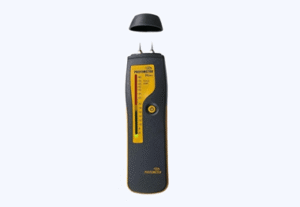
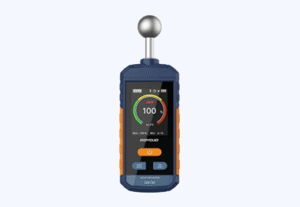
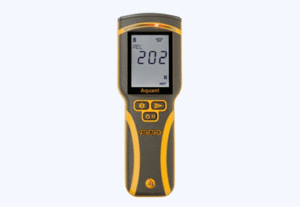
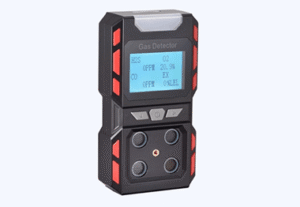
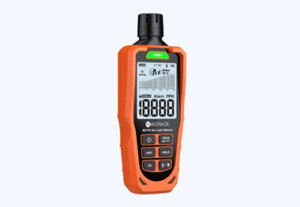
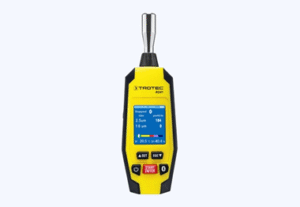
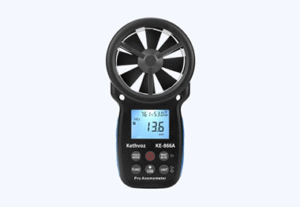
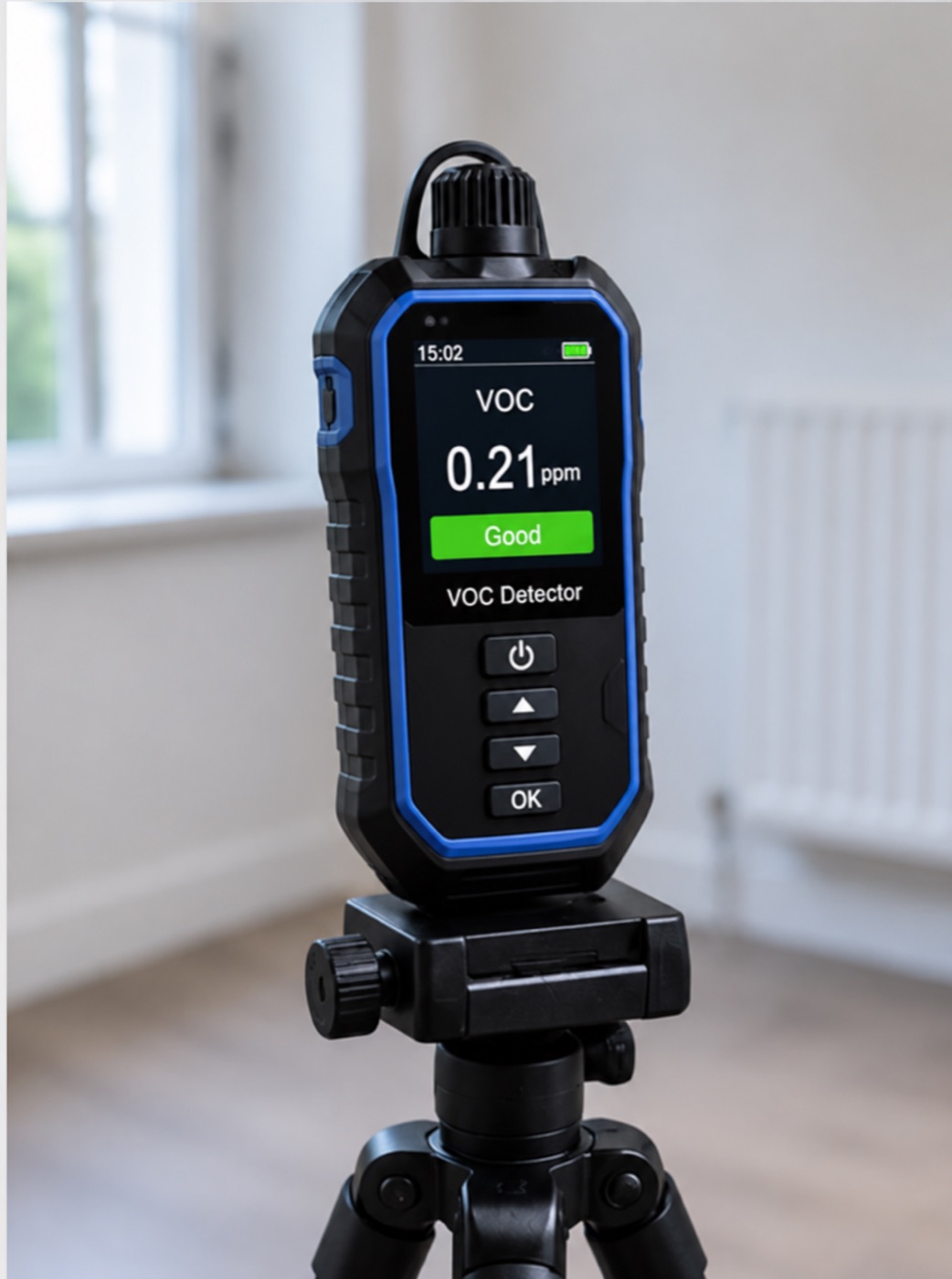
The inspection involved testing concrete moisture gradients, inspecting subfloor pipe trenching and assessing external ground heights using calibrated diagnostic tools.
Key testing results and observations included:
- Moisture meter testing recorded the highest damp readings along the trench wall nearest the kitchen units.
- Inspection of external ground levels confirmed they were lower than internal floor heights and not bridging the DPC or contributing to floor dampness.
- Potential causes were narrowed strictly to two factors: an active or pressure-dependent plumbing leak in the trench, or a missing/damaged subfloor damp-proof membrane (DPM).
- The surveyor concluded that plumbing leak detection must be executed before any floor damp-proofing work.
The diagnostic report outlined three distinct repair tiers if rising ground moisture is confirmed following plumbing checks.
The Solution
The report detailed a practical, phased action plan to locate and resolve the moisture source:
- Phase 1 – Leak Testing: Engage a plumber to carry out pressure testing and tracer gas leak detection on trench pipework. If a leak is found and repaired, allow the floor to dry naturally for one month before re-testing.
- Phase 2A (Option 1 – Complete Slab Replacement): Remove kitchen units, break out the concrete floor, lay a new plastic DPM beneath fresh concrete and re-tile.
- Phase 2B (Option 2 – Whole-Floor Liquid DPM): Strip kitchen units and floor tiles, prepare the concrete slab and coat the entire floor area with a liquid DPM.
- Phase 2C (Option 3 – Trench-Only Liquid DPM): Coat only the exposed trench concrete with liquid DPM as a low-cost, localised repair.
The Outcome
The homeowner received definitive proof that external ground levels were not at fault. Choosing an independent specialist survey saved them from unnecessary, expensive floor excavation, directing their budget strictly toward initial plumbing pressure tests.
Why This Case Matters
When dampness concentrates around a subfloor pipe trench, treating the concrete without pressure testing the pipes risks capping an active leak. Independent surveys ensure plumbing integrity is verified first, protecting property owners from failed damp-proofing projects.