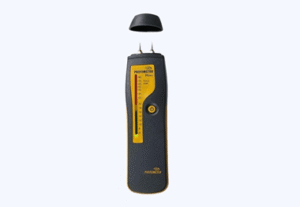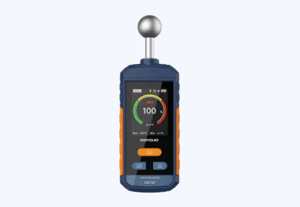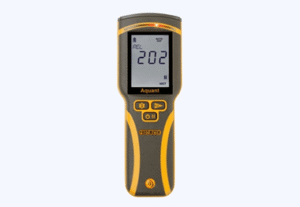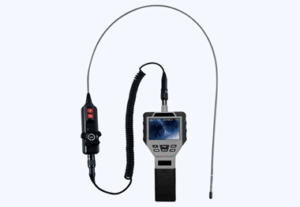
A Level 3 damp survey and QPCR mould analysis was carried out on a two-storey house located in Morden (SM4). The property owner instructed an independent investigation to evaluate indoor mould growth and front entrance plaster damage. Seeking an impartial report, they wanted to ensure any recommendations were rooted in solid diagnostic data.
About the Issue
Discolouration and mould spreading across the bathroom walls and ceiling sparked fears of structural dampness for the property owner. Additionally, loose plaster near the front door made them suspect that ground moisture was creeping into the entrance hall.
The Challenge
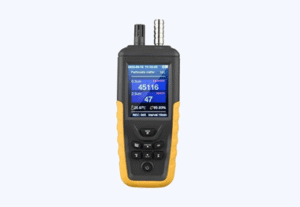
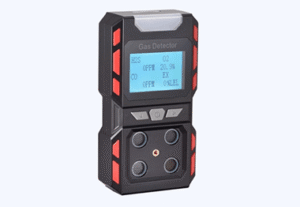
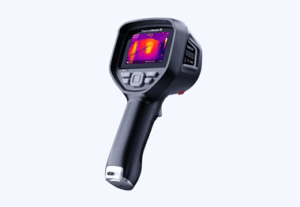
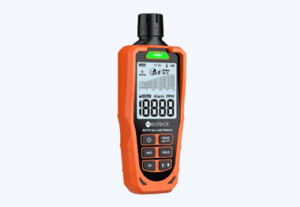
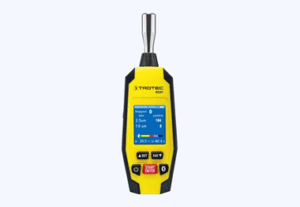
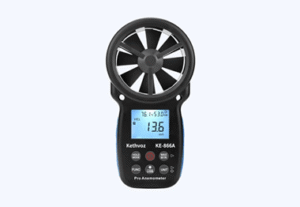
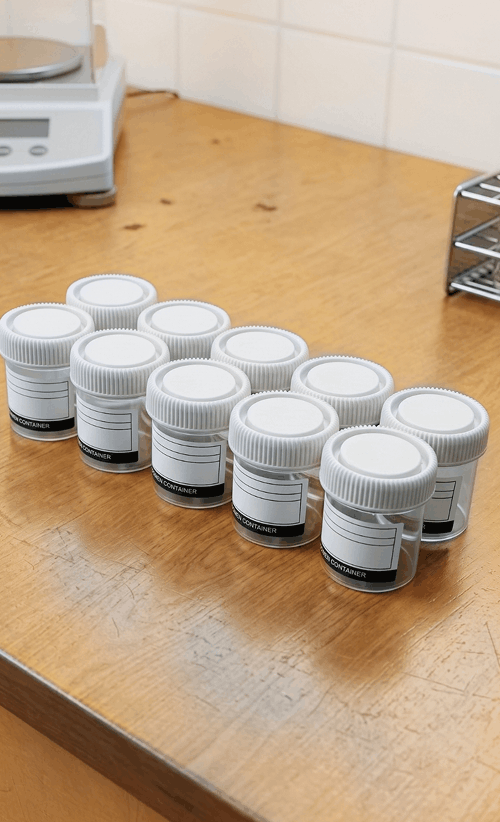
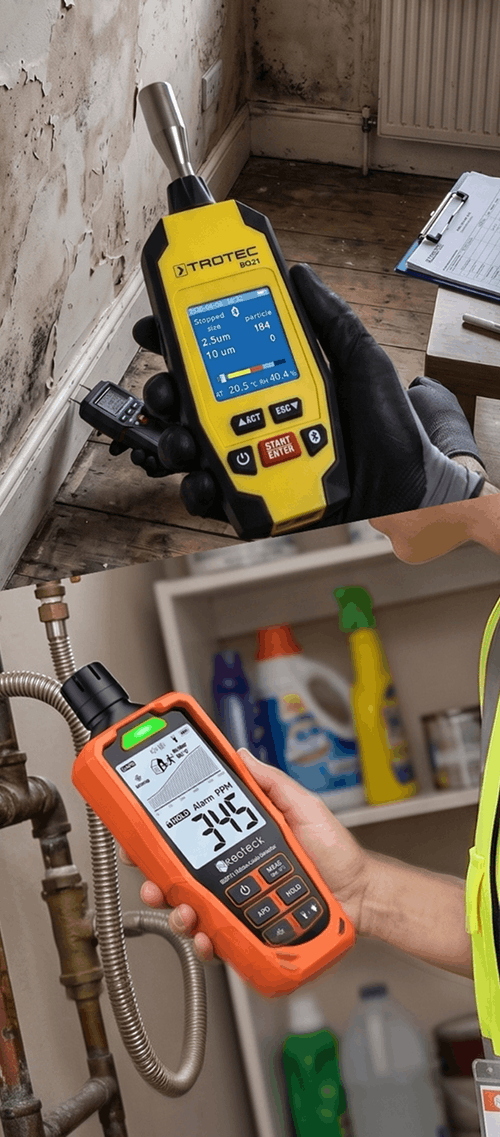
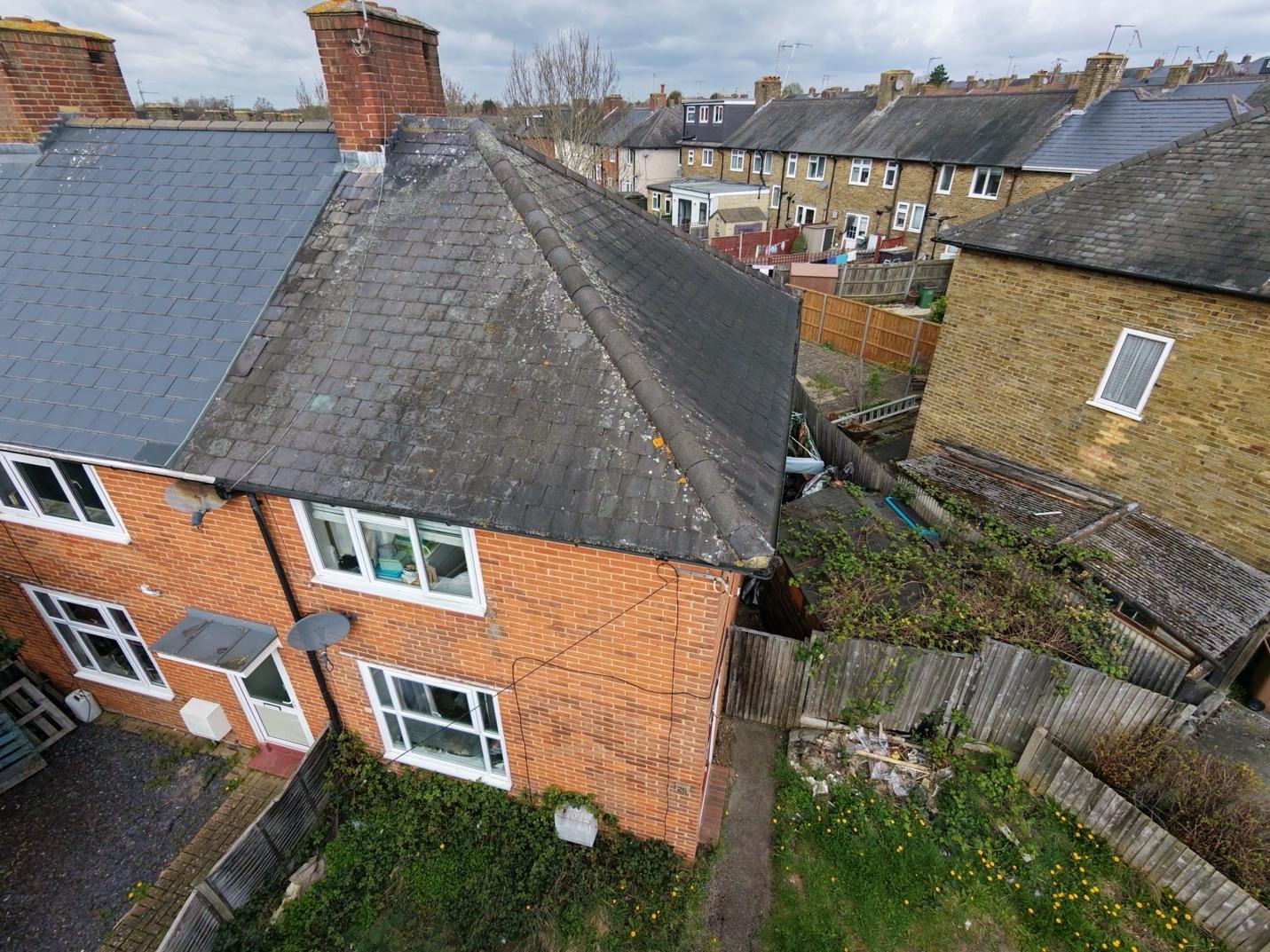
The diagnostic strategy combined high-level aerial drone inspection with indoor moisture mapping, ventilation testing and scientific QPCR DNA swab sampling across the ground floor.
Key diagnostic facts recorded during the assessment included:
- Roof coverings inspected via drone showed no visible defects; external brickwork and pointing were sound and no dry rot, wet rot, or woodworm was identified.
- Loose plaster at the front door area tested dry under moisture meters, proving it was an isolated plaster failure requiring simple repair rather than damp proofing.
- Bathroom wall and ceiling readings were dry, while atmospheric relative humidity registered at 54.7% and the extractor fan delivered 275.6 ft/min airflow.
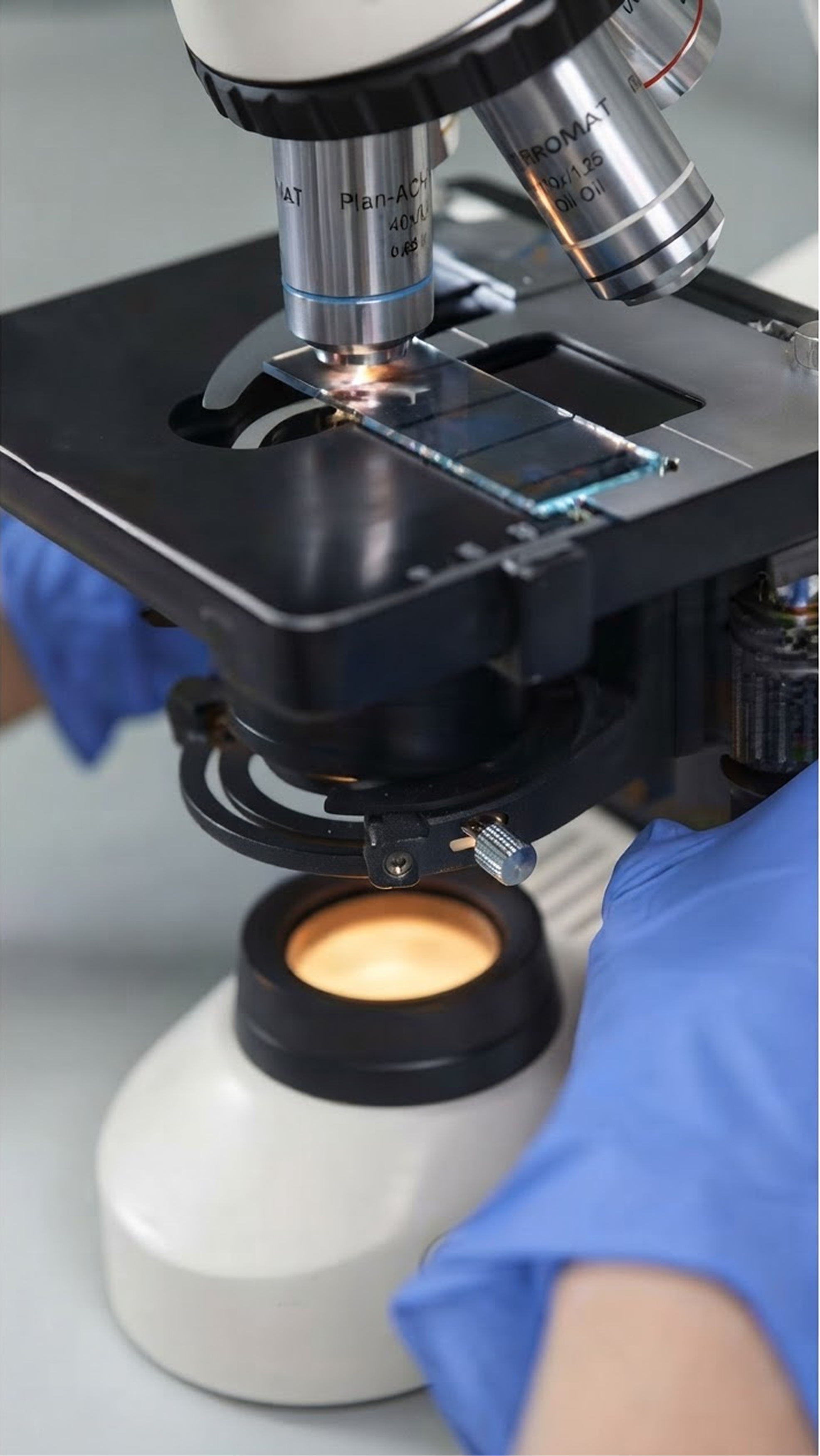
- QPCR DNA mould swab testing detected Aspergillus spp., Penicillium spp., Cladosporium spp. and minor quantities of Stachybotrys spp. (low presence).
Although a broken external waste pipe at the rear created green algae and fungal growth on outer brickwork, diagnostic testing proved it did not affect the indoor atmosphere. The surveyor concluded that mould was forming strictly because warm, moist air from showering condensed on cold, uninsulated external walls and ceiling surfaces.
The Solution
The recommended action plan focuses on eliminating cold surface condensation through targeted insulation and ventilation controls:
- Install insulated (thermal) plasterboard across all bathroom walls and the ceiling to raise surface temperatures and reduce condensation risk (Estimated Cost: £2,000).
- Adjust ventilation routines by opening windows during showering, keeping the bathroom door closed until steam disperses and letting the extractor fan run sufficiently post-use.
- Deploy a dehumidifier running on auto mode set to 50% humidity while keeping room windows closed.
The Outcome
The property owner received a clean bill of health regarding structural dampness, saving money that might otherwise have been spent on aggressive, unnecessary damp proofing treatments. The root cause was isolated to an easily rectifiable condensation issue in the bathroom, solvable for an estimated £2,000 thermal plasterboard upgrade.
Why This Case Matters
Visual mould often causes panic, prompting contractors to propose heavy-handed damp proofing solutions that do nothing to solve condensation. Independent diagnostics use scientific testing to differentiate between liquid water ingress and surface condensation, ensuring property owners only invest in solutions that work.