
How to treat dry rot in timber
What Causes Dry Rot in Timber?
Timber rot is an issue that no homeowner will want to deal with, especially when it comes to dry rot. Dry rot is often the hardest issue to deal with when it comes to timber problems and decay since once a dry rot outbreak has begun eating away at the wood, it can be difficult to stop the spread. To make sure that the dry rot problem is completely removed from the home, it is often necessary to get expert knowledge and specialist treatment. In order to resolve a problem with dry rot, it is usually necessary to get a professional in to help you identify the causes of the dry rot and come up with the most appropriate treatments available and how to prevent future outbreaks of dry rot. Wood, which is the food source, along with moisture, both need to be present in a building in order for dry rot to occur.
What is Wet Rot and Dry Rot in Timber?
Wet rot and dry rot are both types of timber decay that can occur in a property and will need to be treated quickly in order to ensure that no further damage occurs. Dry rot is often more problematic and harder to deal with compared to wet rot, since it is harder to get it under control and prevent the spread of the rot which is caused by fungus that attach themselves to and feed on the wood. On the other hand, wet rot is most commonly caused by moisture that has gotten to the timber and in many cases can be reversed with the appropriate steps.
Drying out the wood with appropriate ventilation and keeping the room warm can reverse the effects of wet rot, and the wood can be treated with a hardening product that can restore the wood. However, as wet rot might occur behind walls or beneath the flooring, it has the potential to cause significant damage to the structure of the home since it may not always be caught early enough to treat.
What is Dry Rot in Timber?
Dry rot is caused by a fungus that can cause significant damage to the timber in your home once it enters the property. As with most issues that will affect the structural integrity of the property, early detection and prevention of dry rot is key to repairing the problem and reducing the risk of spreading.
Despite being named dry rot, this problem means that the affected area needs to first be moist in order for the fungus to become established. It was named dry rot in order to make it easier to differentiate between other types of rot that occur in wet wood such as timber that is newly felled. Fungal spores that usually appear as an orange dust will thrive in wood that has a moisture level of around 28-30%. In the right conditions, the fungus will germinate and produce hyphae, which are strands that eventually develop into a mycelium, or fungal body. Once the fungus has established itself in the wood, it only requires a moisture content of over 20% to survive and develop more hyphae that can travel over stone and brick to find more wood and spread throughout the home.
What Causes Dry Rot in Timber?
It is the colonisation of fungus in the wood that causes dry rot or brown rot decay. The Serpula lacrymans fungus is the most common cause of dry rot in UK homes. The decay occurs when the fungus feeds on the timber, taking cellulose, hemicellulose, and water from the wood which leaves a brittle and dry structure. The decay will often cause cracks in the wood that appear in a fine pattern of squares, leaving it a darker or browner colour and making it crumbly. Eventually, if left unchecked, dry rot will cause the wood to crumble into dust which could lead to parts of your home collapsing completely. However, dry rot does not affect any masonry since it does not feed on it but only travels through it to find more timber to feed on. It is important to note that dry rot could be present in the walls of your home for months or even years before you will notice the fungus appearing on the wall surfaces.
Dry rot can occur when the timber in your home has become dampened for any reason. There are two main reasons why this can occur, including moisture that has entered the timber in your home as the result of a leak or damp problem, or when your home is old and does not have timber in the structure that meets modern building standards. Today’s kiln-dried timber has an average moisture content of twenty percent and is compulsory for internal building and construction. In addition, older homes might have clay roof tiles that do not meet the current water permeability building regulation standards and therefore may be less effective at preventing water from outside the home from entering the timber.
Bear in mind that even if a leak or damp problem has since been solved, dry rot that colonised while your timber was damp might still be present. Any damp problem that can affect your house can pose a risk factor for dry rot including penetrating and rising damp issues. If you have dry rot but haven’t noticed a damp problem, this means that there is a damp problem somewhere in your home even if it has not been noticed yet.
How to Treat Dry Rot in Timber
To treat dry rot in timber, it’s important to make sure that any damp issues that have led to it in your home are first solved. Any dry rot treatments that you use will quickly become ineffective if the timber is able to get damp again since this will dilute the treatment you have applied and make it possible for the fungus to colonise again.
There are several things that you can do to treat and repair timber that has been affected by dry rot. If you have dry rot present in your property, use sensor sticks that are specially designed to find the source of the problem and understand how far the rot has spread in your home. If you are certain that the rot has only affected exposed woodwork in your home such as exposed joists or skirtings, you will need to ensure that the affected timber is treated in addition to any masonry that it may be in contact with. If the structure of the timber has been subject to severe damage by the rot, you will usually need to have it replaced, which you can do yourself or with the help of a building professional.
Once you have replaced the timber, bear in mind that the surrounding masonry and timber may have been entered by fungal strands, so it’s a good idea to treat these too even if there are no obvious signs of dry rot. Fungal strands that are small and have not yet had the chance to colonise can often be invisible to the naked eye.
Any visible signs of dry rot in the walls, or if sensor sticks indicate that there is dry rot present within the wall, will require you to strip the plaster off the wall and treat it before replastering.
Dry rot can pass through stone and brick in order to reach other timber structures in your home. Boron powder dissolved in water is the best product to use in order to treat and kill any fungus that is present in masonry in your home. You can brush the solution onto the affected area or spray it on depending on the size of the area and how you prefer to apply it.
How to Fix Dry Rot in Timber
There are a number of products available to fix dry rot in timber. These can be used in cases where the damage is not so severe that the timber will need to be removed and replaced in order to solve the problem. You can get products that are designed to coat the surface of the timber and products that will penetrate into the timber itself. Boron gel is a common solution for fixing dry rot in timber, and comes in different concentrations for whether you are looking to prevent or treat dry rot. It can easily be brushed onto the timber surface.
Boron rods are another option to consider. These are made from highly concentrated borate and inserted into the timber through holes that you will need to drill. You can also insert boron paste into holes that you drill into the timber. Borocol, which is a mixture of boron and glycol, can be used to treat timber that has been affected by dry rot, mould, and even insect infestations at the same time. If you are not sure how to treat dry rot effectively on your own, it’s always best to call an experienced professional.
When it takes hold, dry rot can be a serious problem in your home that can lead to severe problems with the timber and structure of the property.
FAQ:
Return to main independent damp surveyors page.
Equipment Used During Our Surveys
Equipment Used During Our Surveys
Purpose:
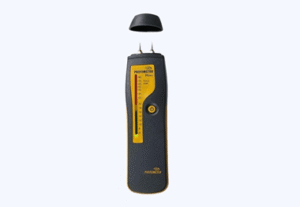
Takes comparative moisture readings from walls, ceilings, floors and timber to identify abnormal moisture patterns.
Common Uses / Notes:
Used when investigating rising damp, penetrating damp, condensation and leaks. Readings support the survey but are not a diagnosis on their own.
Subsurface Moisture Meter
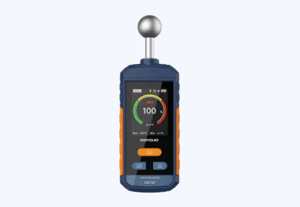
Purpose:
Detects moisture beneath the surface of suitable building materials.
Common Uses / Notes:
Helps determine whether moisture is confined to surface finishes or extends into the building fabric.
Non-Damaging Moisture Scanner
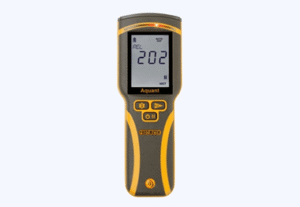
Purpose:
Scans surfaces for hidden moisture without causing damage.
Common Uses / Notes:
Ideal for decorated walls, ceilings and flooring where pin testing would be undesirable.

High-Resolution Borescope Camera
Purpose:
Inspects hidden or difficult-to-access areas without opening up large sections of the building.
Common Uses / Notes:
Used beneath floors, inside cavities, behind walls and around pipework to identify damp, leaks, decay and concealed defects.

4K Aerial Inspection Drone
Purpose:
Captures high-resolution images of roofs and other inaccessible external areas.
Common Uses / Notes:
Inspects roof coverings, chimneys, flashing, gutters, valleys, parapets and high-level masonry. Subject to weather, safety requirements and flight regulations.
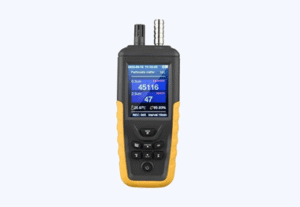
Atmospheric Humidity Sensor
Purpose:
Measures indoor relative humidity levels.
Common Uses / Notes:
Helps assess condensation and mould risk alongside temperature, ventilation, heating patterns and room usage.
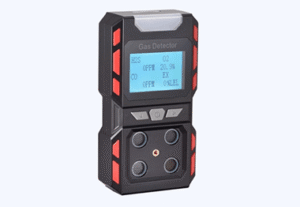
Gas Detection Monitor
Purpose:
Screens for certain airborne gases where unusual odours are present.
Common Uses / Notes:
May detect gases associated with drainage, combustion or flammable substances. Does not replace inspection by a Gas Safe registered engineer where gas appliances or pipework are involved.
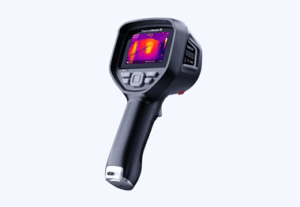
Thermal Imaging System
Purpose:
Identifies temperature differences across building surfaces.
Common Uses / Notes:
Helps locate cold spots, thermal bridging, insulation defects and areas associated with concealed moisture. Results always require further investigation to confirm the cause.
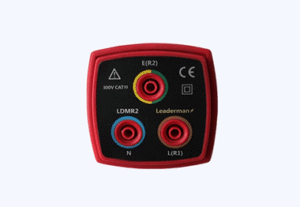
Basic Socket and RCD Tester
Purpose:
Performs limited electrical checks during comprehensive surveys.
Common Uses / Notes:
Can identify basic socket wiring issues, AC voltage and RCD operation. It is not an Electrical Installation Condition Report (EICR).
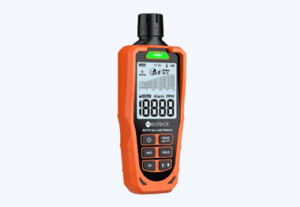
Chemical Vapour Testing Device
Purpose:
Screens for airborne volatile organic compounds (VOCs) and formaldehyde.
Common Uses / Notes:
Used where chemical odours, emissions from materials or indoor air-quality concerns are suspected after leaks or refurbishment.
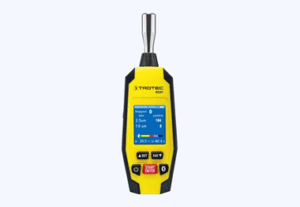
Fine Air Particle Counter
Purpose:
Measures airborne particulate matter (PM1.0, PM2.5 and PM10)
Common Uses / Notes:
Assists with investigations involving dust, smoke, mould concerns, post-construction contamination and indoor air quality following water damage.
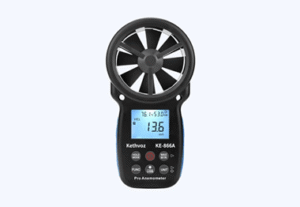
Extraction and Air-Movement Tester
Purpose:
Measures the performance of extractor fans and mechanical ventilation systems.
Common Uses / Notes:
Used in kitchens, bathrooms and utility rooms to identify poor ventilation that may contribute to condensation and mould growth.
Survey Levels and Equipment Provided
Select Your Survey
Basic Moisture Survey
Standard price: £299 + VAT
Special offer: £199 + VAT until the end of this week
The Level 1 survey provides a basic assessment of the main accessible internal surfaces. It is most appropriate for simple, localised damp concerns where advanced testing is not required.
Equipment Included
- Professional damp meter
Survey Checks
- Accessible walls
- Accessible floors
- Ceilings
- Visible plumbing and drainage leak inspection
- Damp-control and prevention information
Suitable For
This survey is suitable for a customer who has found an isolated damp patch, suspects rising damp in a limited area or wants a straightforward check of the property’s accessible surfaces.
Only a standard damp meter is included. Customers requiring deep moisture detection, timber inspection, thermal imaging or roof inspection should select a higher survey level.
The survey fee will be deducted if we carry out the recommended work.
Damp, Moisture and Timber Survey
Standard price: £399 + VAT
Special offer: £299 + VAT until the end of this week
Level 2 includes everything in the Level 1 inspection and adds deeper moisture detection, non-invasive scanning and timber assessment.
Equipment Included
- Professional damp meter
- Deep-reading moisture meter
- Non-invasive moisture scanner
Survey Checks
- Accessible walls, floors and ceilings
- Visible plumbing and drainage leak checks
- Subsurface moisture readings
- Non-invasive scanning of appropriate materials
- Accessible underfloor and subfloor checks
- Wet rot inspection
- Dry rot inspection
- Woodworm inspection
- Damp prevention information
Suitable For
This level is intended for customers who require a more detailed inspection of dampness and timber condition. It is appropriate when moisture may be concealed within building materials or beneath accessible flooring.
The survey may identify evidence of timber decay or wood-boring insects and assess moisture in locations that cannot be properly examined with a surface meter alone.
Level 2 is particularly useful for homebuyers and sellers who want more information about damp and timber before completing a transaction.
The amount paid for the survey will be deducted from repairs undertaken by us.
Full Damp and Property Condition Survey
Standard price: £499 + VAT
Special offer: £399 + VAT until the end of this week
Level 3 is our most detailed inspection. It combines the checks from Levels 1 and 2 with advanced diagnostic technology, ventilation measurements and external roof-level assessment.
Equipment Included
- Professional damp meter
- Deep-reading moisture meter
- Non-invasive moisture scanner
- Thermal imaging camera
- Indoor humidity sensor
- HD borescope camera
- Airflow and ventilation tester
- 4K inspection drone
- Socket and RCD testing device
Survey Checks
- Accessible walls, floors and ceilings
- Visible plumbing and drainage
- Deep moisture investigation
- Non-destructive moisture scanning
- Accessible floor voids and subfloors
- Wet rot, dry rot and woodworm
- Infrared thermal imaging
- Indoor relative humidity
- Extractor-fan performance
- Borescope examination where suitable
- Visible damp-proof course
- External brickwork and pointing
- Roof coverings and junctions
- Chimney stacks and flashing
- Guttering and rainwater systems
- High-level exterior areas
- General visible structural condition
- Basic Electrical Test, socket and RCD screening
- Drone photographs, subject to safe flying conditions
Suitable For
The Level 3 survey is recommended for buyers, sellers and existing owners who want the most extensive moisture assessment available.
It is especially useful for older properties, houses with several reported defects, basement buildings and cases involving damp, mould, leaks, poor ventilation, timber decay or roof problems.
The inspection considers the property as a connected building rather than examining only the visible damp patch. A roof or gutter defect, for example, may allow water to enter at a high level and appear some distance away internally.
The drone component provides valuable information about roofs, chimneys, parapets and guttering that cannot normally be seen from the ground. These areas may contain hidden repair costs capable of affecting a property purchase.
Identifying damage before buying can help the purchaser budget correctly, request further specialist advice or use the findings during negotiations. Even a relatively small roof defect may cost more to repair than the difference between the survey packages.
If we complete the recommended remedial work, your survey payment will be credited against the price.
Specialist Survey Add-On Services
For complex damp investigations, we offer three specialised laboratory and environmental testing add-ons:
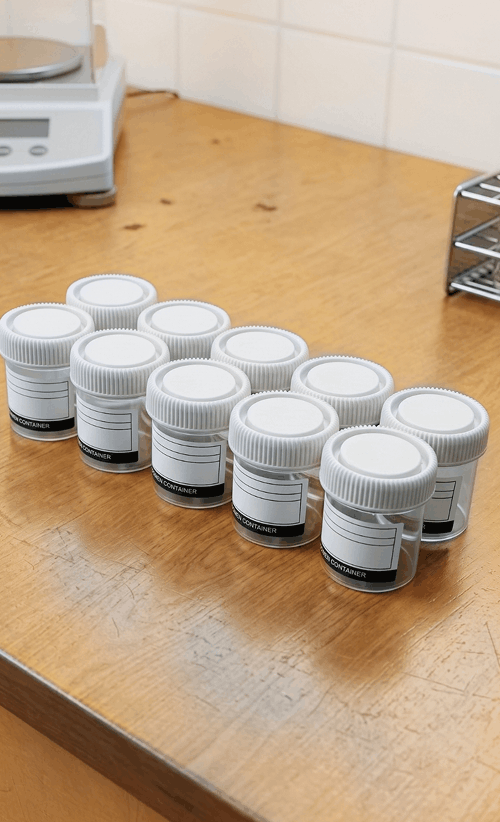
Laboratory Analysis of Plaster Samples
Price £299 + VAT
Description: Small plaster samples are extracted from affected masonry walls and submitted to an independent testing laboratory. The lab analyses the sample for hygroscopic salts (specifically nitrates and chlorides).
Value: Scientifically differentiates true rising damp (which deposits ground salts over time) from surface condensation or lateral penetrating damp. Ensures that remedial recommendations are based on chemical analysis rather than surface meter readings alone.
This service can be beneficial when:
- The cause of low-level dampness is disputed.
- Moisture-meter readings are inconsistent.
- A property has undergone previous damp-proofing.
- Old plaster continues to attract moisture.
- Independent laboratory evidence is required.
- Several possible moisture sources are present.
Note: Salt analysis is only one part of the investigation. Results must be assessed alongside the location of moisture, condition of the masonry, external ground levels, damp-proof course and potential plumbing or rainwater defects. Requires minor invasive plaster sampling (the only add-on requiring material removal). Survey fee credited when repairs are completed by us.
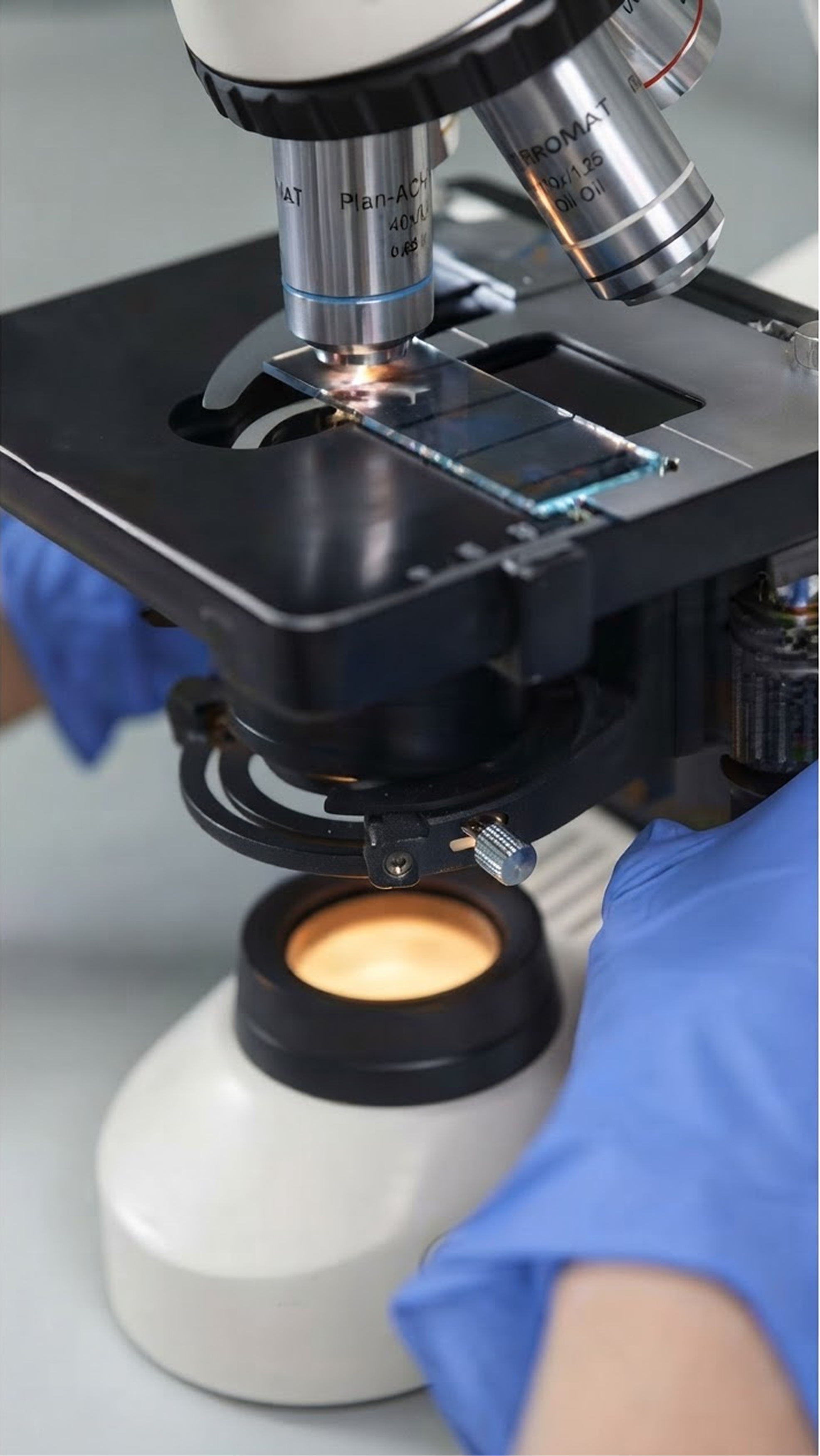
Mould Identification & qPCR DNA Testing
Price £299 + VAT
Description: Surface swab samples are collected and sent to an accredited laboratory for advanced qPCR DNA analysis. Identifies exact mould species, measures spore concentrations and detects hidden fungal growth behind furniture, within void spaces, or under floorboards.
Value: Provides precise scientific data regarding mould toxicity and contamination levels, helping establish the exact scale of cleaning, drying and structural remediation needed.
Laboratory mould testing may be useful when:
- There is an unexplained musty odour.
- Visible mould repeatedly returns.
- Water damage occurred previously.
- Mould is suspected behind cupboards or furniture.
- Contamination may be present in a concealed location.
- The visible extent of growth is uncertain.
- Independent results are needed.
- Remediation work is being planned.
Note: The results can provide a clearer indication of whether contamination appears minor, concentrated or potentially widespread. This information may be used when deciding the scale of cleaning, removal, drying or remedial work required. Testing should be combined with an investigation of the moisture source. Removing visible mould without resolving the underlying condensation, leak or ventilation problem may allow it to return. Survey fee credited against subsequent remediation works completed by us.
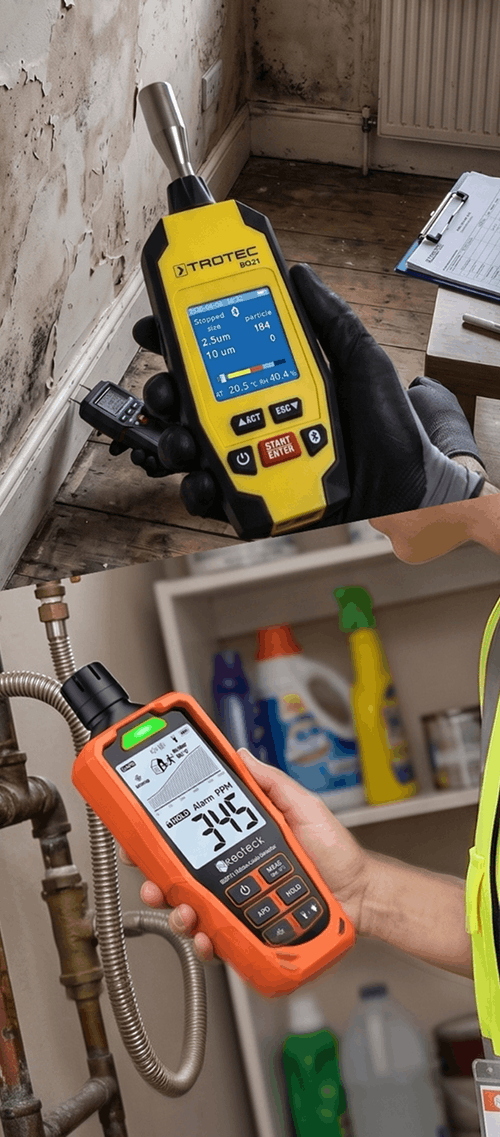
Air Quality, Gas, Vapour & Airborne Particle Screening
Price £299 + VAT
Description: Comprehensive environmental air testing including:
- Indoor environmental quality – IAQ
- Volatile organic compounds – VOC and TVOC
- Formaldehyde – HCHO
- Fine airborne particles – PM1.0, PM2.5 and PM10
- Dust and smoke particles
- Sewer gases – H2S, NH3 and CH4
- Flammable gases – CH4 and C3H8
- Carbon monoxide – CO
- Hydrogen sulphide – H2S
- Ammonia – NH3
- Oxygen measurement – O2
- Ventilation and stale-air assessment
- Drain-smell investigation
- Chemical-odour investigation
- Air checks following a leak or flood
- Combustion-related screening
- Building-material off-gassing assessment
- General airborne pollutant monitoring
Value: Pinpoints invisible airborne hazards, toxic sewer gases, chemical off-gassing and foul odours resulting from damp or trapped water.
This service can assist when investigating:
- Persistent foul smells
- Suspected sewer or drain odours
- Chemical smells
- Stale indoor air
- Odours following water damage
- Possible stagnant water
- Building material emissions
- Fine dust after construction work
- Poorly ventilated rooms
Note: Unpleasant odours can have several possible sources. Measurements for specific gases, compounds and particles may help identify which source requires further investigation. The assessment is a screening service and does not replace specialist gas-safety, environmental or medical testing where this is necessary. Survey fee credited against subsequent repair works completed by us.
Contact Us
If you have some questions, please complete this form:
Book and Pay for a survey
If you are ready to book a survey and pay, please complete this form:

Contact Us
If you have some questions, please complete this form:
Book and Pay for a survey
If you are ready to book a survey and pay, please complete this form:
Contact Us
If you have some questions, please complete this form:
Book and Pay for a survey
If you are ready to book a survey and pay, please complete this form: