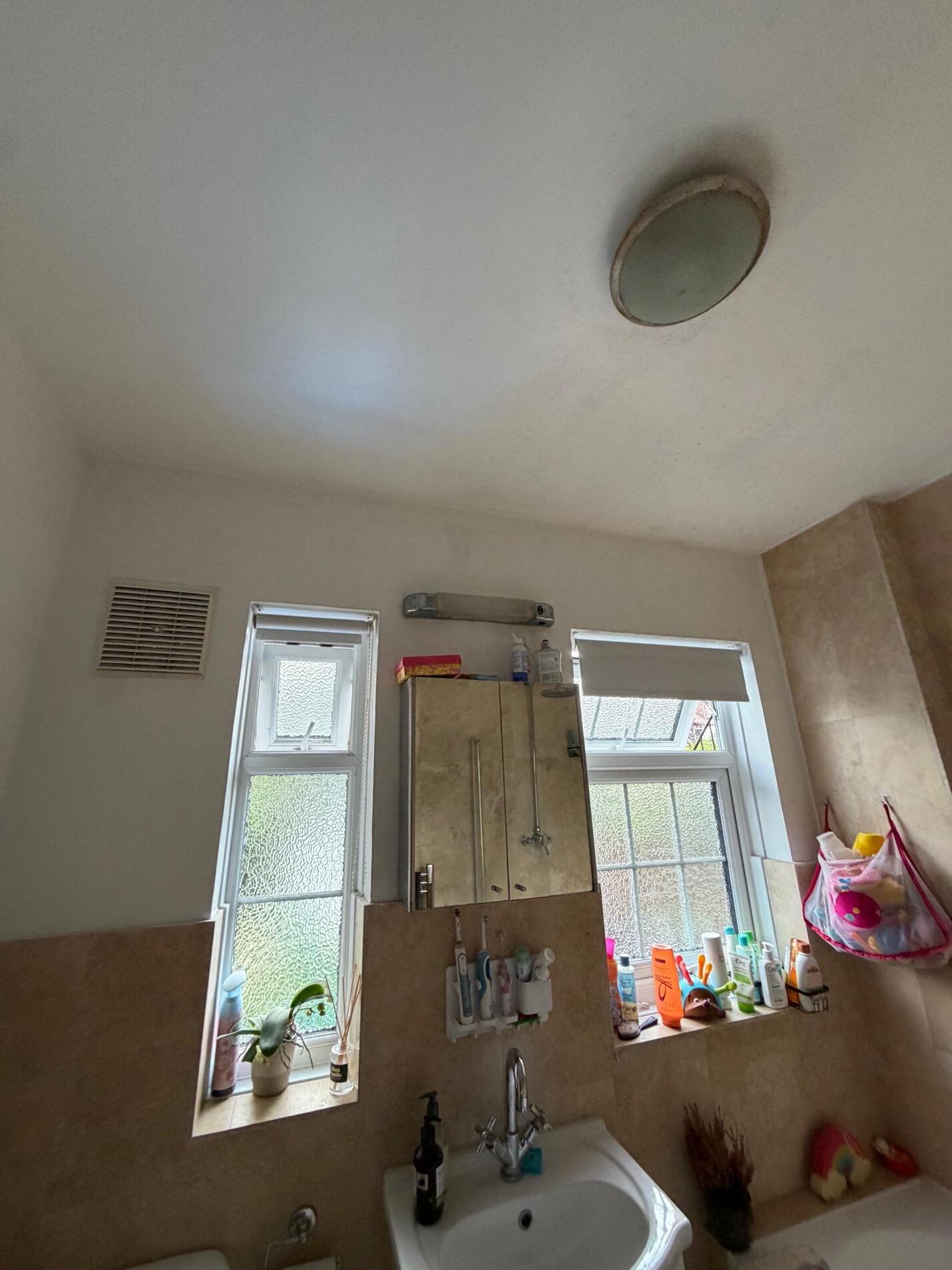
A Level 2 damp survey was commissioned for a ground floor flat in Earl’s Court (SW5) to establish the cause of reported hallway dampness. The property owner instructed an independent specialist to obtain an authoritative, evidence-based health check. The inspection covered all accessible living areas, subfloors and external elevations.
About the Issue
The property owner grew concerned after observing moisture marks on a hallway wall and surface mould on the bathroom ceiling. They sought expert advice to confirm whether the issue required extensive internal damp proofing or simple maintenance.
The Challenge
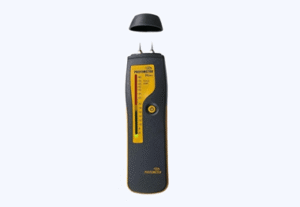
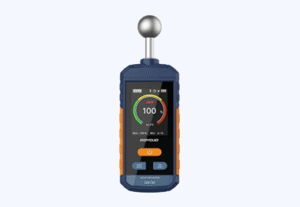
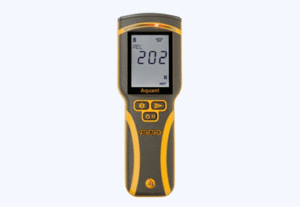
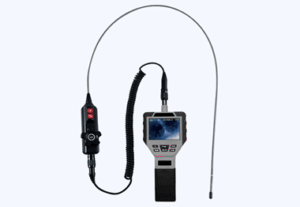
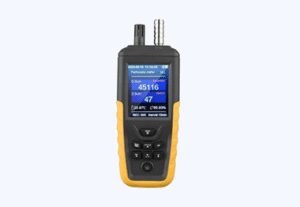
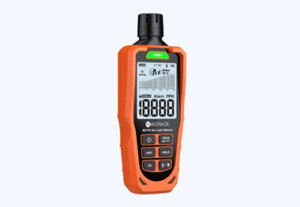
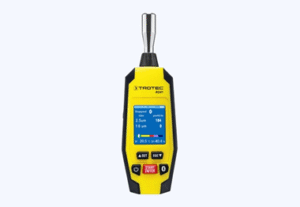
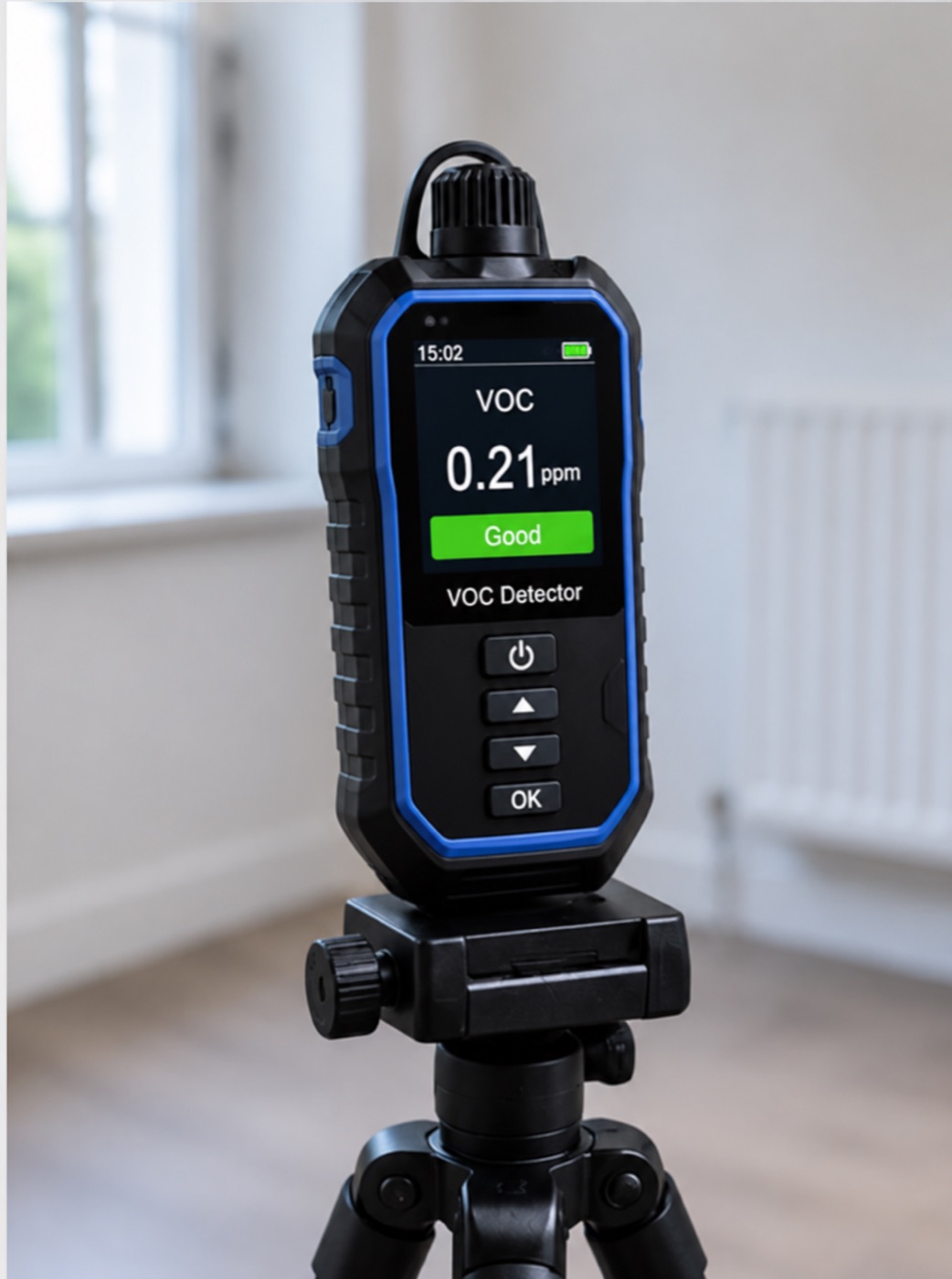
The diagnostic process evaluated internal wall moisture using calibrated meters alongside sanitary seal checks and atmospheric humidity assessments.
The survey revealed clear factual evidence:
- Electronic moisture meters recorded damp readings isolated to a single hallway wall.
- Inspection of the bath on the reverse side of the wall identified failed perimeter silicone sealant and white water staining.
- Full checks confirmed zero evidence of dry rot, wet rot, woodworm, pipework leaks, or drainage defects.
- Exterior checks confirmed the building fabric was in good condition with no penetrating damp.
- Bathroom ceiling mould was confirmed as surface condensation driven by inadequate ventilation during showering.
Diagnostic reasoning proved that water escaping past defective bath sealant during showering was tracking into the hallway wall, ruling out rising damp and plumbing bursts.
The Solution
To eliminate water escape and restore decorative finishes, the report advised:
- Hire a tradesperson to remove defective bath silicone and re-seal with fresh sanitary silicone.
- Allow the hallway wall to dry out naturally once the leak is resolved.
- Treat and clean the bathroom ceiling mould with a suitable mould wash.
- Improve bathroom ventilation by consistently running the extractor fan during and post-shower.
The Outcome
The independent survey provided total clarity, reassuring the homeowner that the building’s walls and floors were dry elsewhere and timbers were sound. By identifying bath silicone failure as the sole cause, the report saved the owner from unnecessary, expensive internal damp proofing.
Why This Case Matters
Unbiased damp surveys protect property owners from misdiagnoses that confuse sanitary seal leaks with structural dampness. Utilising calibrated moisture meters and visual inspection ensures building owners spend money only on genuine defects.