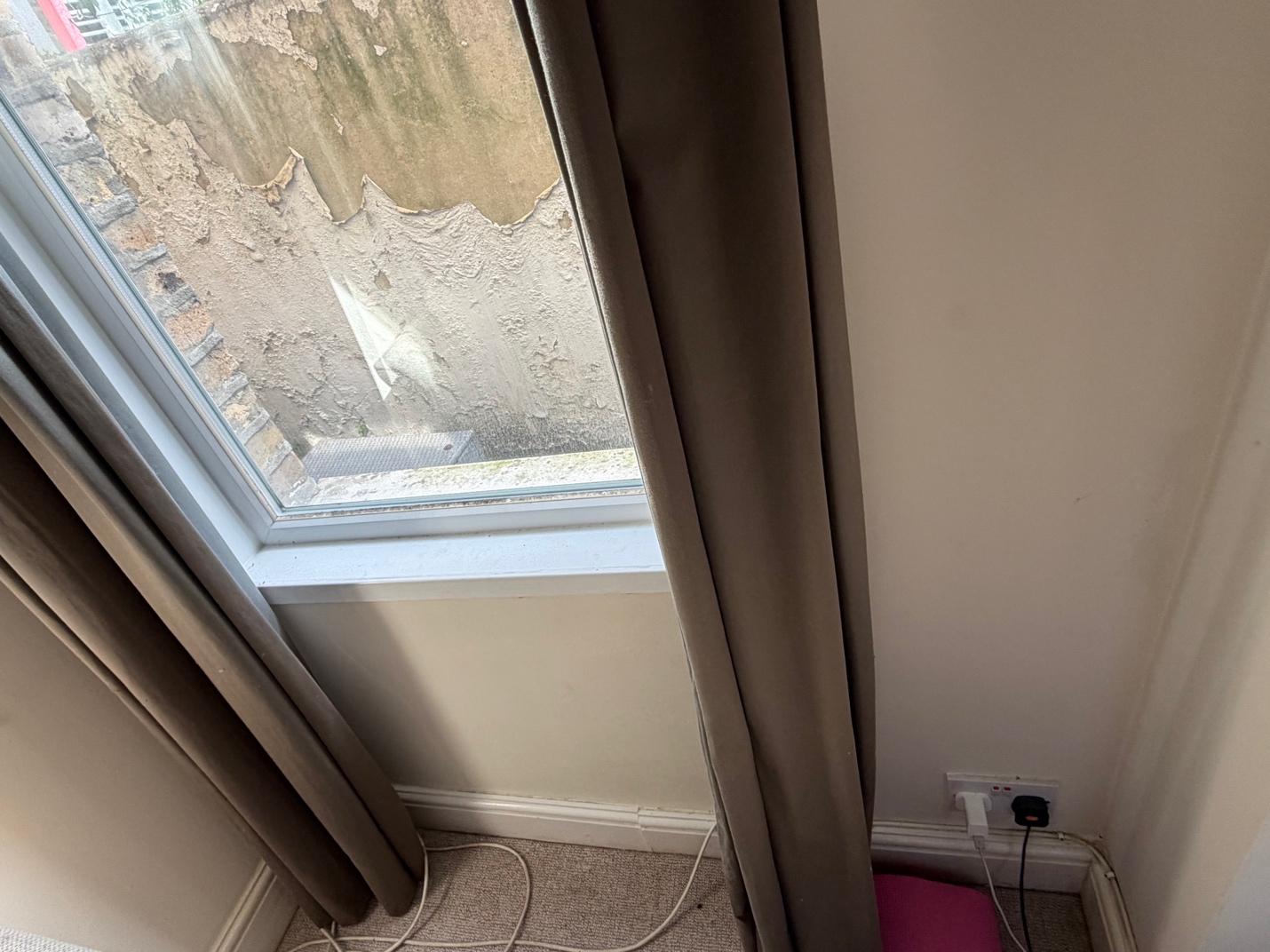
A Level 3 damp survey was commissioned for a lower ground floor flat in Tooting (SW17) to diagnose reported wall dampness and kitchen mould. The property owner instructed an independent survey to secure a reliable, evidence-based report. The assessment covered all internal living spaces, structural joinery, external walls and drainage lines.
About the Issue
The property owner grew concerned after discovering blistering plaster beside the bedroom bed, dampness under dining area windows and mould in the kitchen. They sought expert advice to establish whether full structural waterproofing was necessary before hiring contractors.
The Challenge
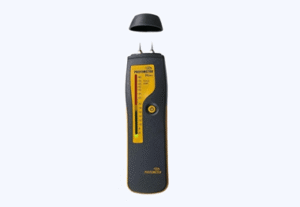
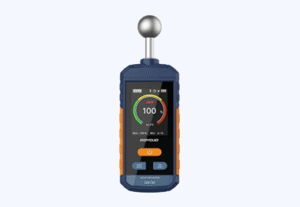
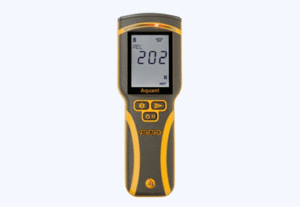
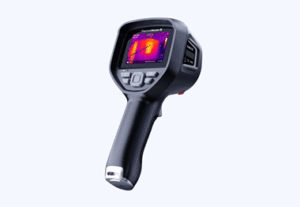
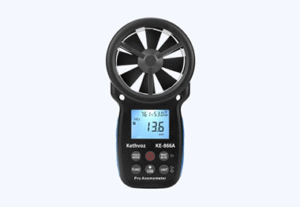
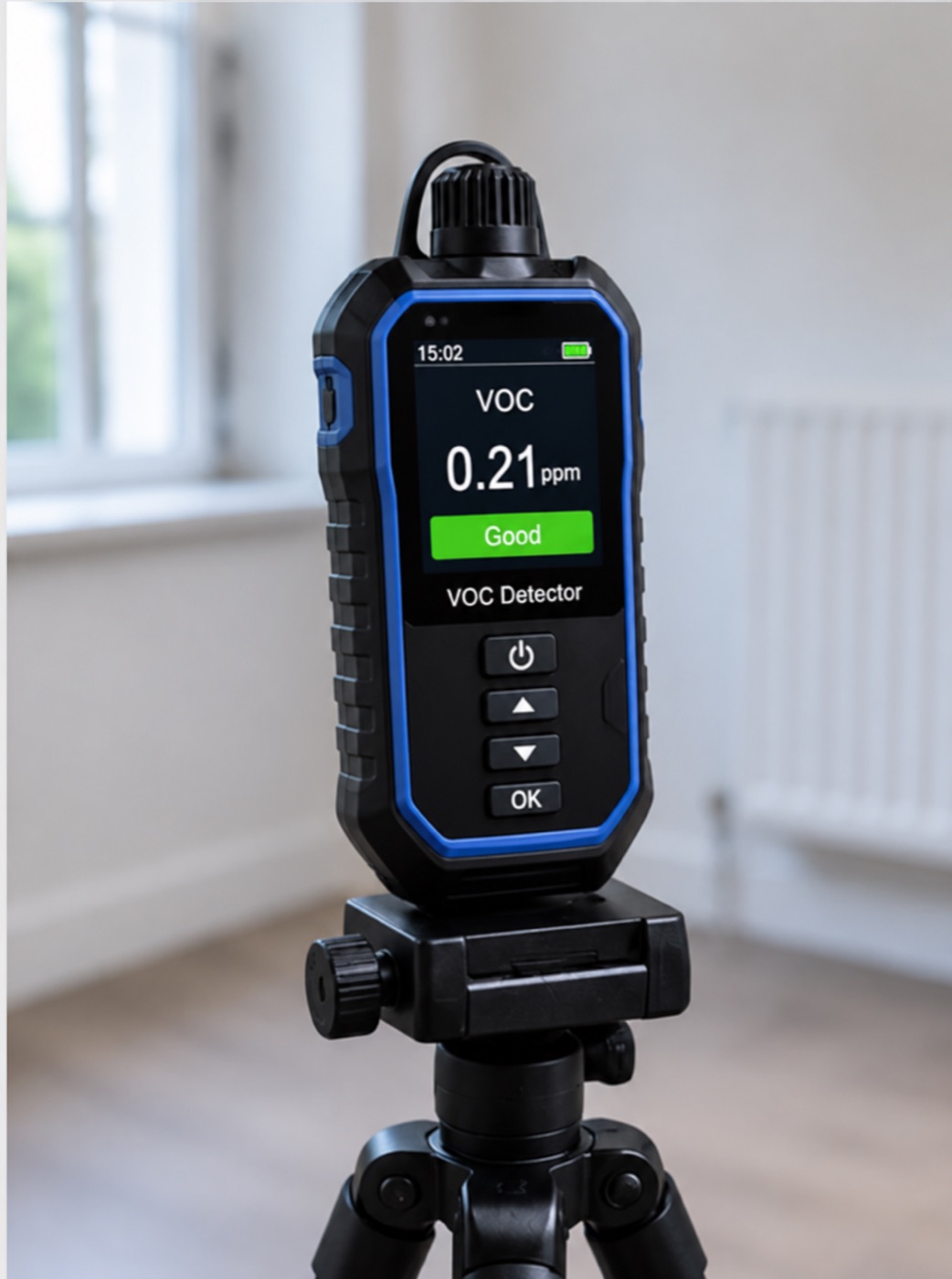
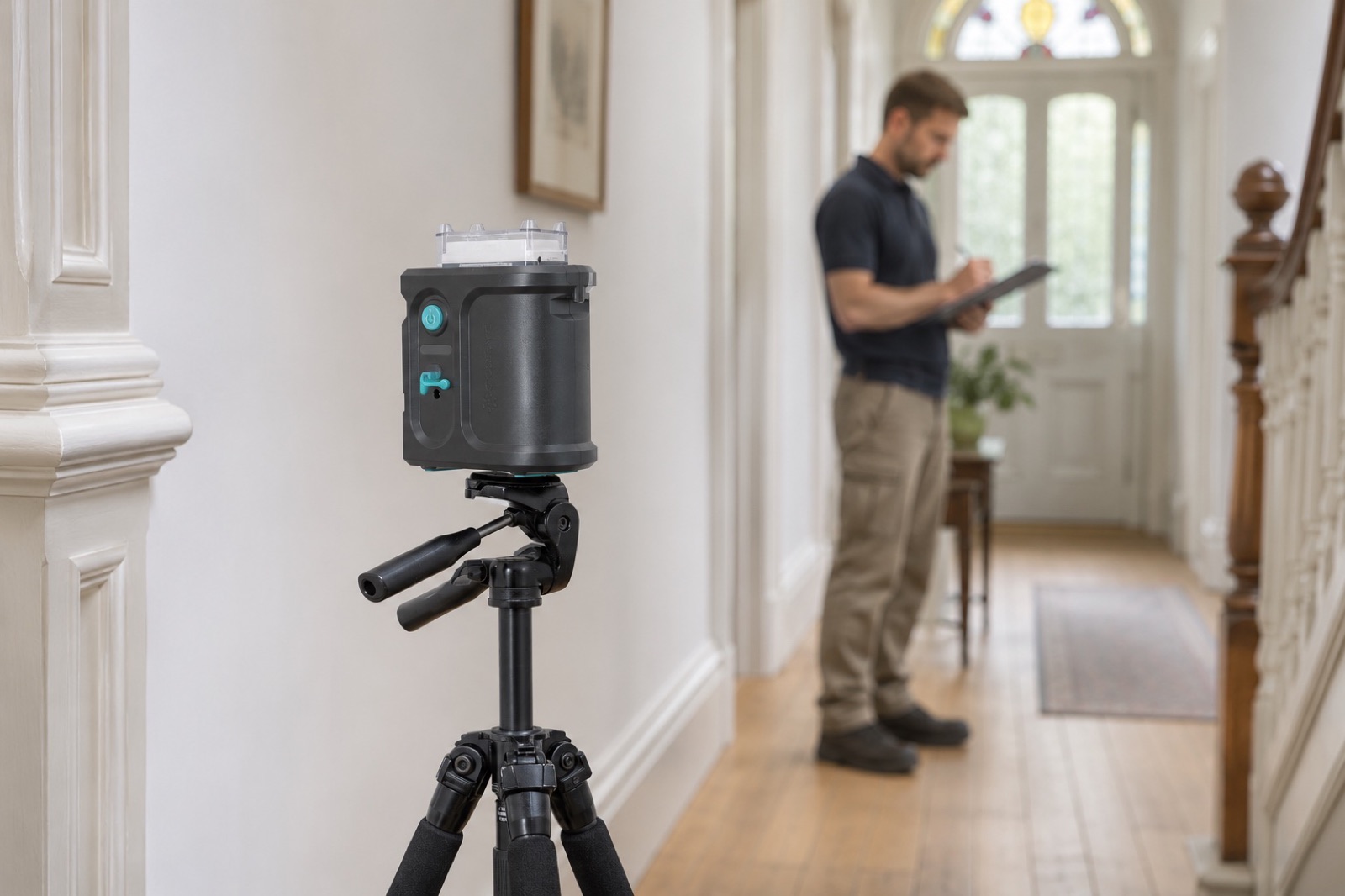
The diagnostic process evaluated internal wall moisture using calibrated damp meters, recorded room microclimates and tested mechanical ventilation performance.
The inspection revealed clear factual evidence:
- Relative humidity was measured at 61.7% with an internal temperature of 21.1°C.
- Quantitative testing confirmed rising damp isolated to two locations: beside the bed extending into the front bedroom section and along the lower wall beneath windows in the dining room.
- Kitchen mould was confirmed as surface condensation caused by a cold solid masonry wall and restricted local air circulation, despite the extractor fan passing a ventilation flow test with adequate airflow.
- Complete checks confirmed zero evidence of plumbing leaks, blocked drains, structural cracks, or timber rot (dry rot, wet rot, woodworm).
External checks confirmed the damp proof course and main brickwork were sound, though localised sections of pointing were worn, cracked, or missing.
The Solution
To permanently resolve active moisture issues, the report advised:
- Hack off contaminated plaster to an appropriate height in affected bedroom and dining area sections.
- Inject a chemical damp proof course (DPC) into mortar joints.
- Apply salt neutraliser to control hygroscopic salts in the masonry.
- Apply two coats of tanking slurry followed by a waterproof render system and smooth replastering.
- Improve kitchen air movement, run the extractor fan consistently during and post-cooking, deploy a dehumidifier to target humidity closer to 50% and address cold bridging on the wall where possible.
- Repoint and patch worn, cracked, or missing external pointing.
The Outcome
The independent survey provided total clarity, reassuring the homeowner that the property was structurally sound. By proving that main living walls, joists and pipework were dry, the report saved the owner from unnecessary expenditure on whole-flat waterproofing.
Why This Case Matters
Unbiased damp diagnostics look beyond surface symptoms to identify root causes. Applying chemical DPC injections and tanking slurry specifically where capillary rise occurs—while managing atmospheric humidity in kitchen areas—ensures building defects are corrected without wasted expenditure.