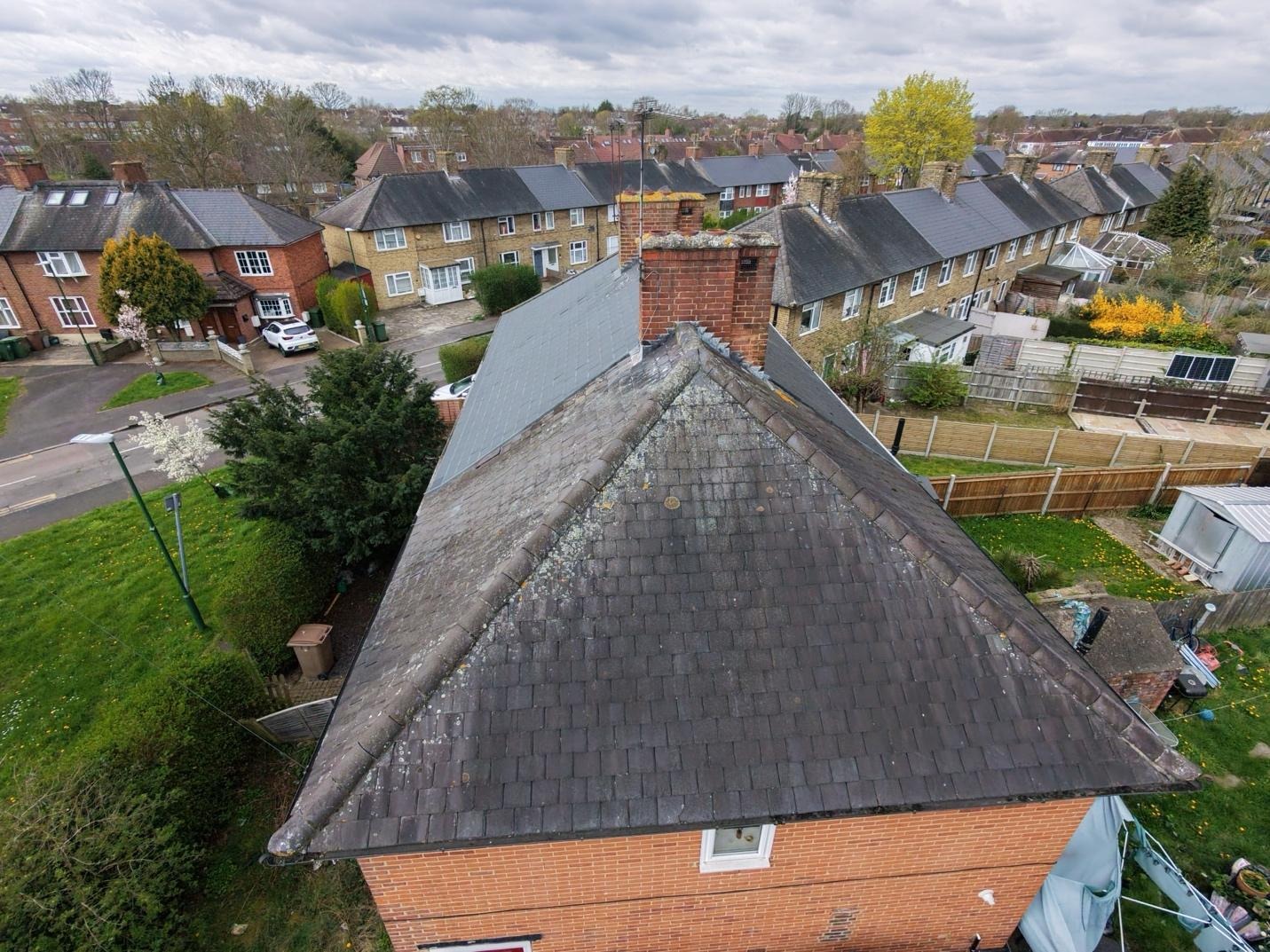
An independent Level 3 damp survey and QPCR mould analysis was carried out for a two-storey house in Morden (SM4). The property owner requested a specialist investigation to diagnose bathroom mould growth and loose plasterwork near the front door. The goal was to secure an objective health check of the property free from sales bias.
About the Issue
Widespread mould across the bathroom ceiling and walls caused concern for the property owner, who also noted loose, flaking plaster in the front entrance hallway. They worried these issues were signs of severe penetrating damp, leaking plumbing, or rising dampness from the foundations.
The Challenge
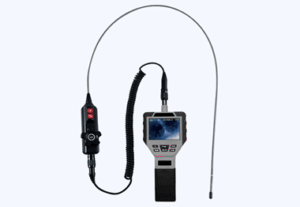
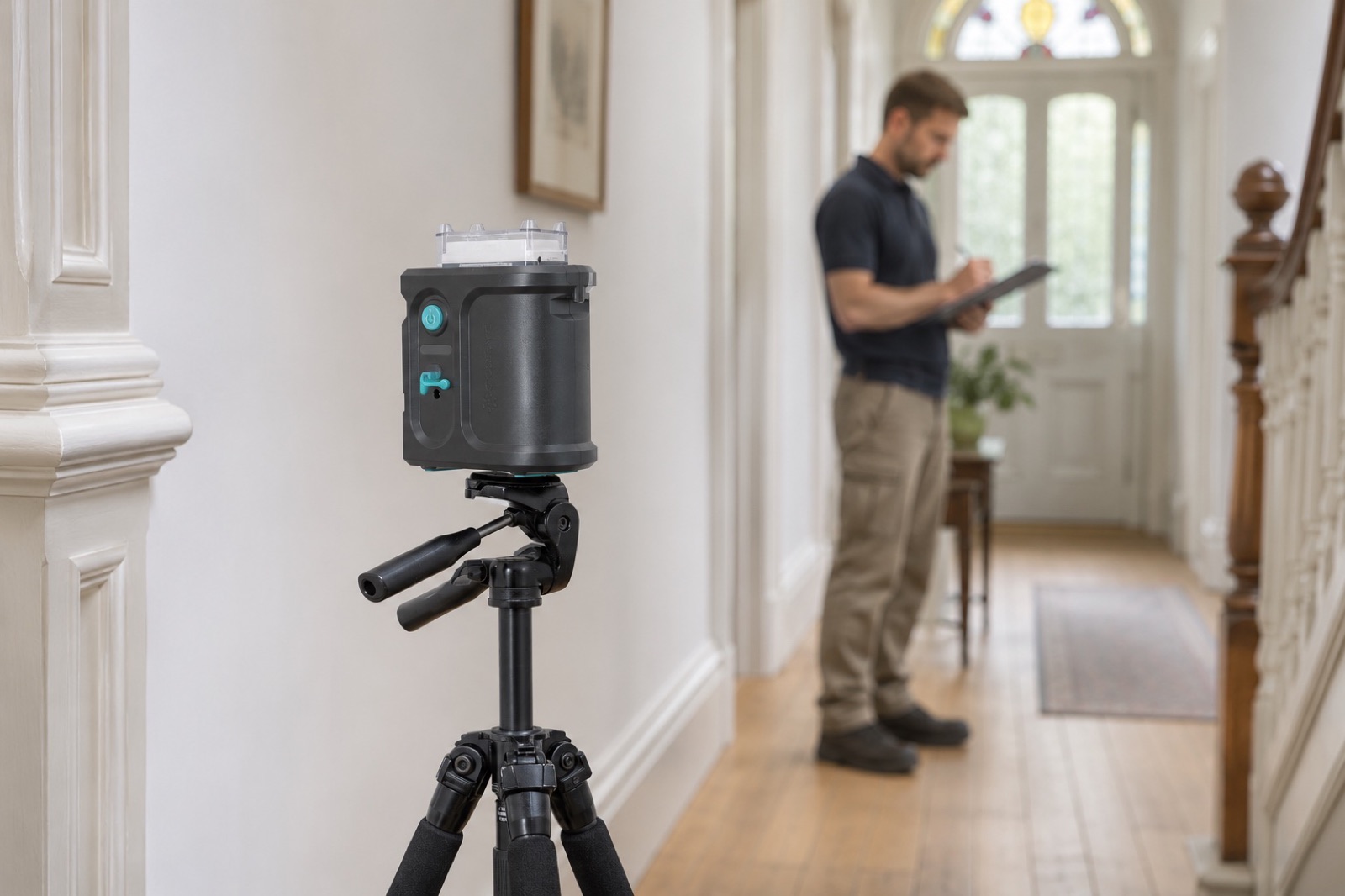
The surveyor conducted a detailed examination covering external building elements, roof surfaces, internal living areas and ventilation performance, supported by QPCR laboratory analysis.
Diagnostic measurements and visual checks revealed clear evidence:
- High-level drone assessment confirmed the roof covering showed no visible defects, while brickwork, pointing, drainage and pipework were in good condition with no wood rot or woodworm present.
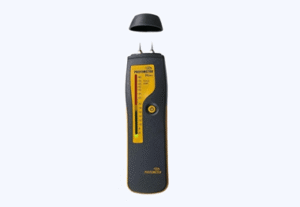
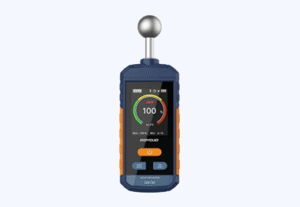
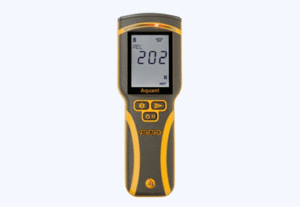
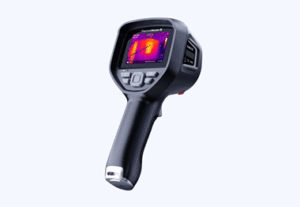
- Moisture meter testing confirmed that the loose plaster near the front door was completely dry, proving it was a localised plaster failure rather than a damp defect.
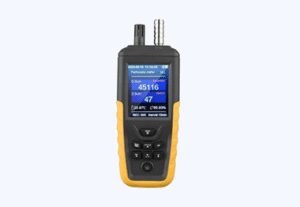
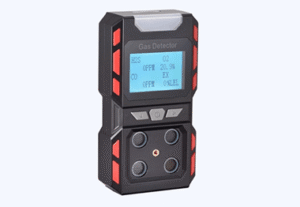
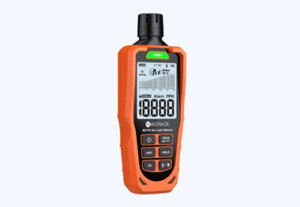
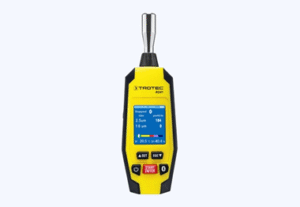
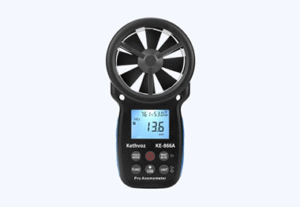
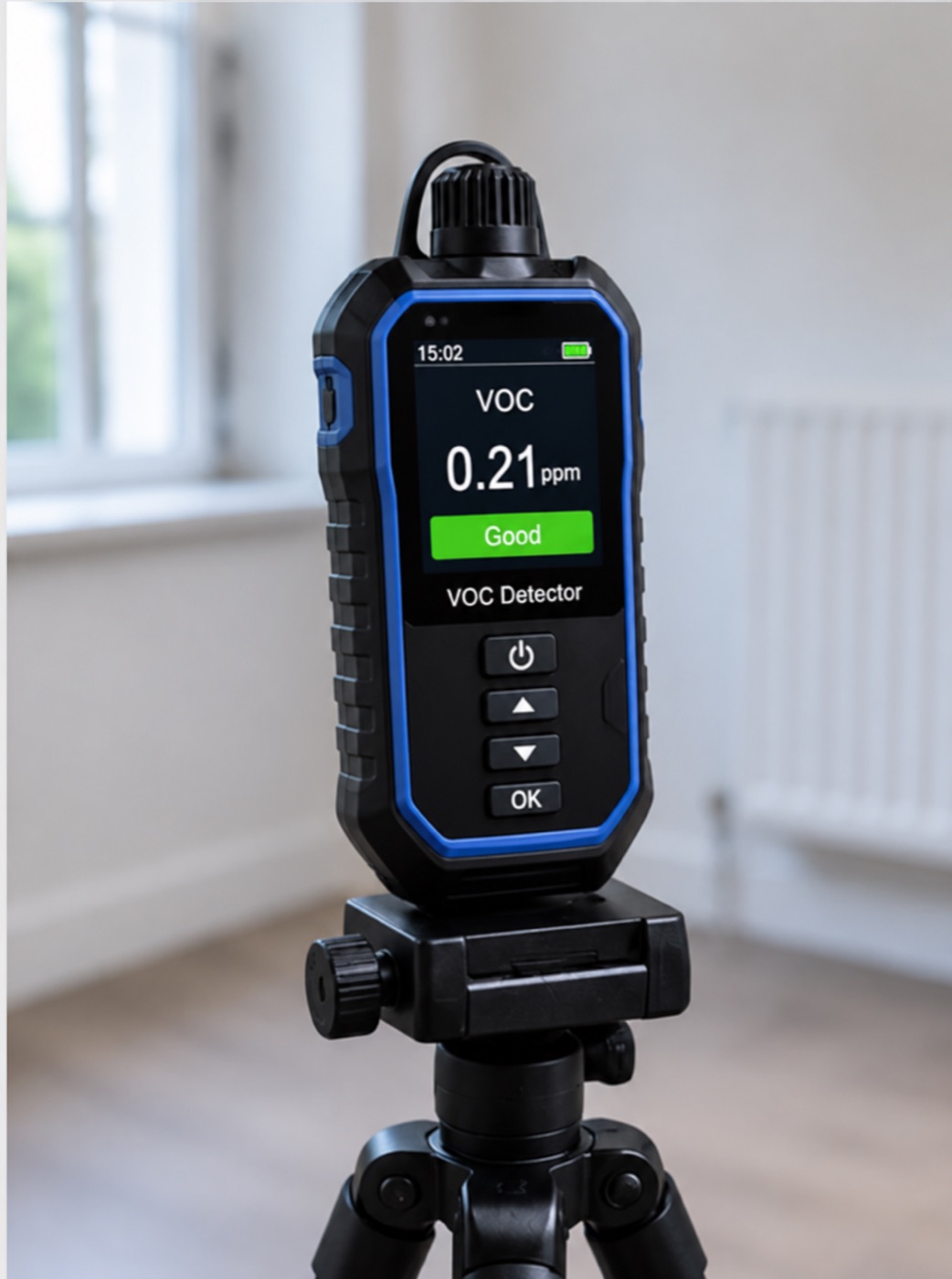
- Bathroom wall and ceiling moisture readings returned dry results, with atmospheric humidity measured at 54.7% and extractor fan airflow recorded at 275.6 ft/min.
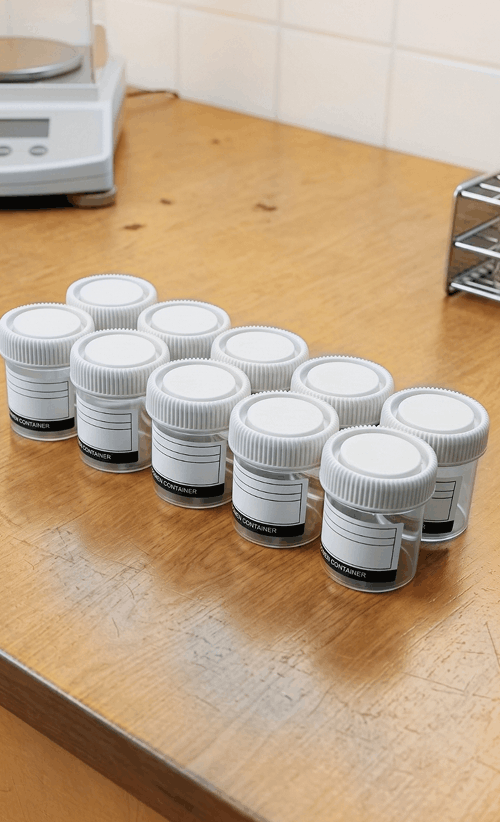
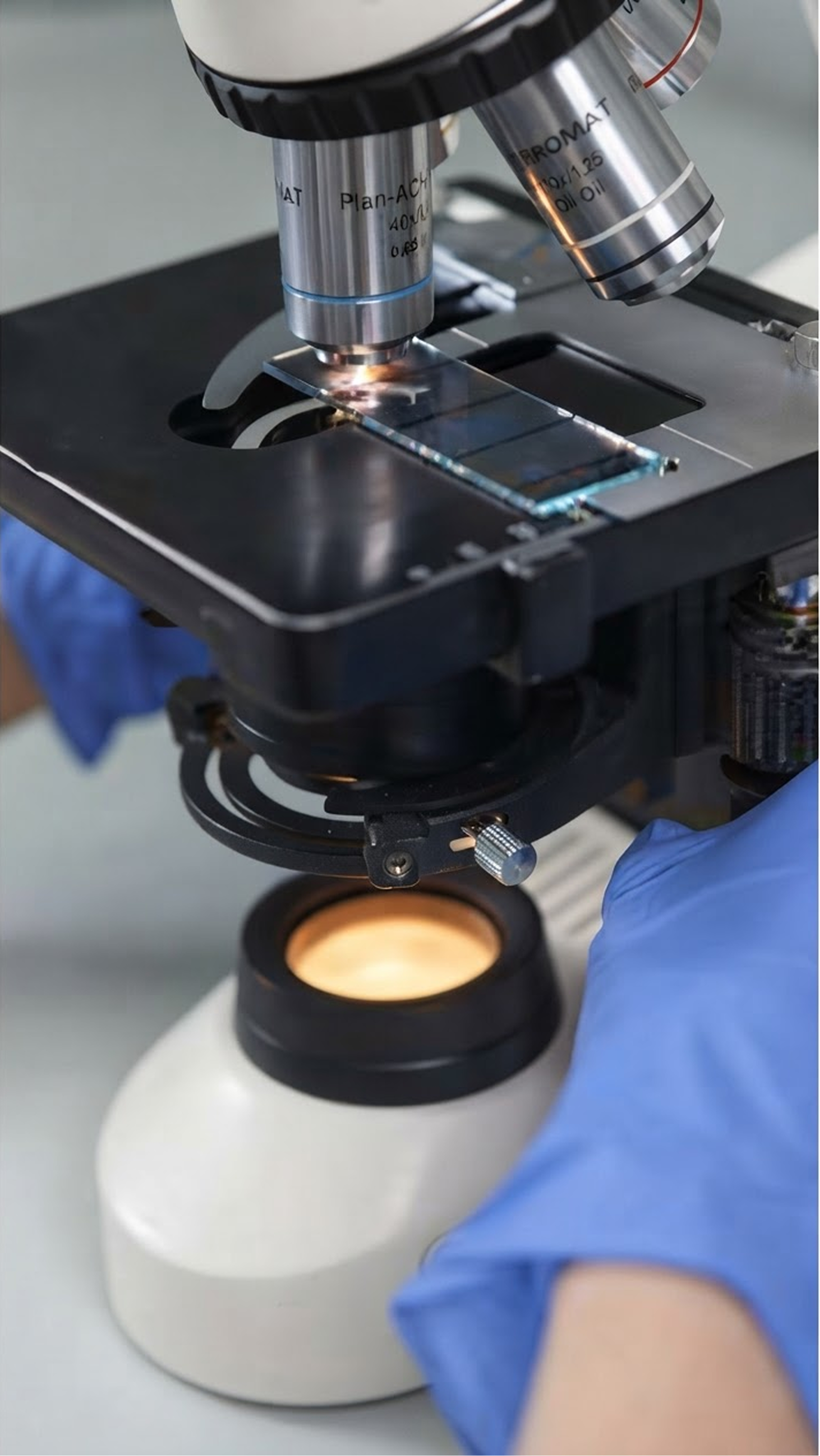
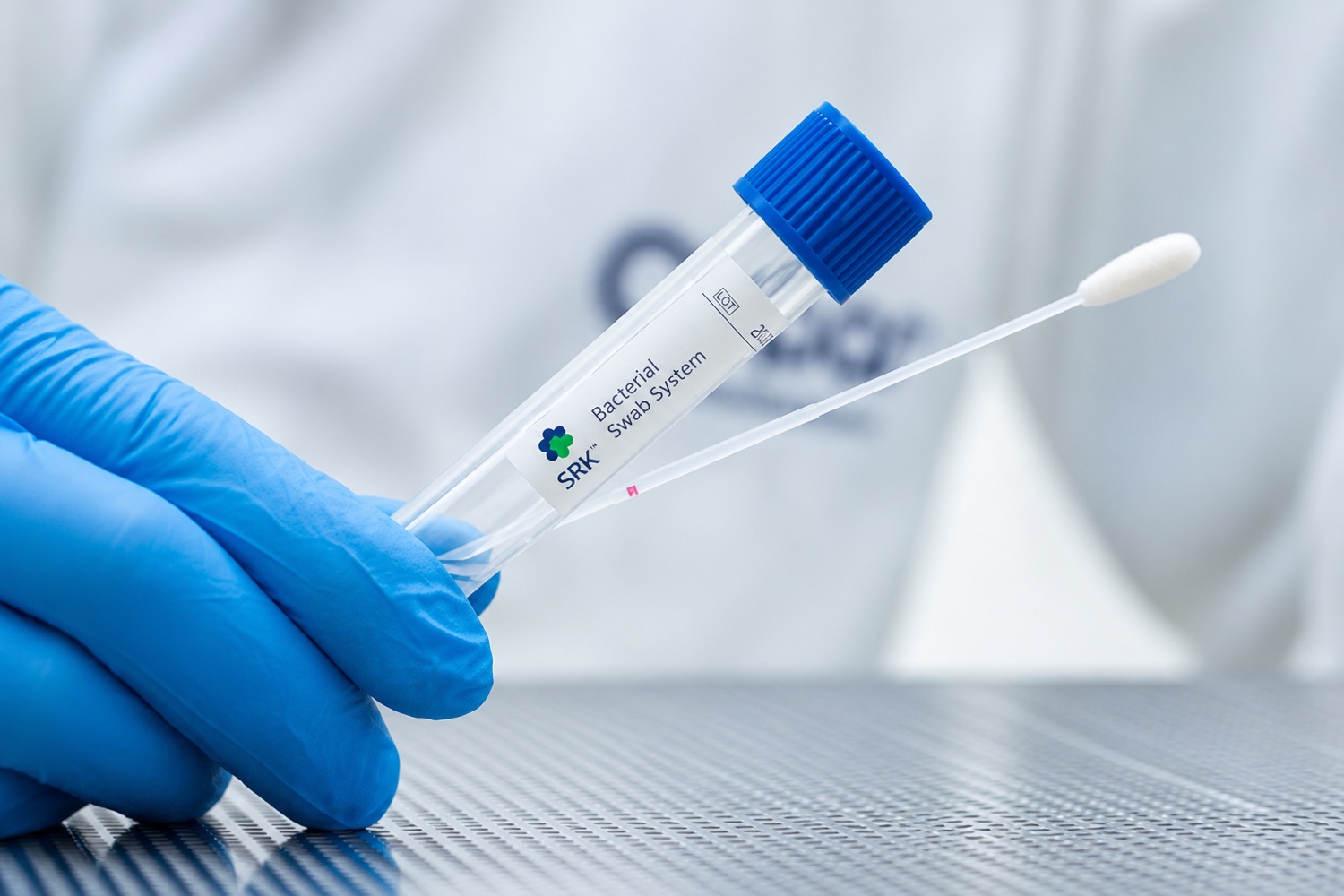
- Swab analysis using QPCR DNA technology identified Aspergillus spp., Penicillium spp., Cladosporium spp. and a low presence of Stachybotrys spp.
An external waste pipe at the rear was found to be broken, producing green algae and fungal growth on the outside wall, but diagnostic testing verified this was not affecting the interior environment. The surveyor concluded that bathroom mould was caused strictly by condensation forming on cold uninsulated wall surfaces during showering.
The Solution
To permanently prevent condensation mould from returning, the report outlined a targeted remedial and ventilation plan:
- Install insulated (thermal) plasterboard on bathroom walls and the ceiling to increase surface temperatures and prevent condensation formation (Estimated Cost: £2,000).
- Adjust daily ventilation habits by opening windows when showering, keeping the bathroom door closed until humid air clears and allowing the extractor fan to run sufficiently.
- Use a dehumidifier on auto mode set to 50% relative humidity with room windows closed.
The Outcome
The survey gave the homeowner absolute peace of mind by confirming that no rising damp, penetrating damp, rot, or plumbing leaks affected their property. They saved thousands of pounds by rejecting unnecessary damp proof course injections, opting instead for a £2,000 thermal upgrade in the bathroom.
Why This Case Matters
Standard surveys often flag surface mould or damaged plaster as damp without verifying actual moisture content or atmospheric causes. Advanced diagnostics, such as QPCR DNA mould testing and airflow checks, ensure that building owners receive accurate, evidence-based recommendations rather than unnecessary construction work.