An independent Level 3 damp survey with QPCR mould analysis was commissioned for a two-storey house in Morden (SM4). The property owner requested an objective assessment after noticing persistent black mould indoors and deteriorating plasterwork. An expert diagnostic evaluation was performed to determine whether structural defects or environmental factors were responsible.
About the Issue
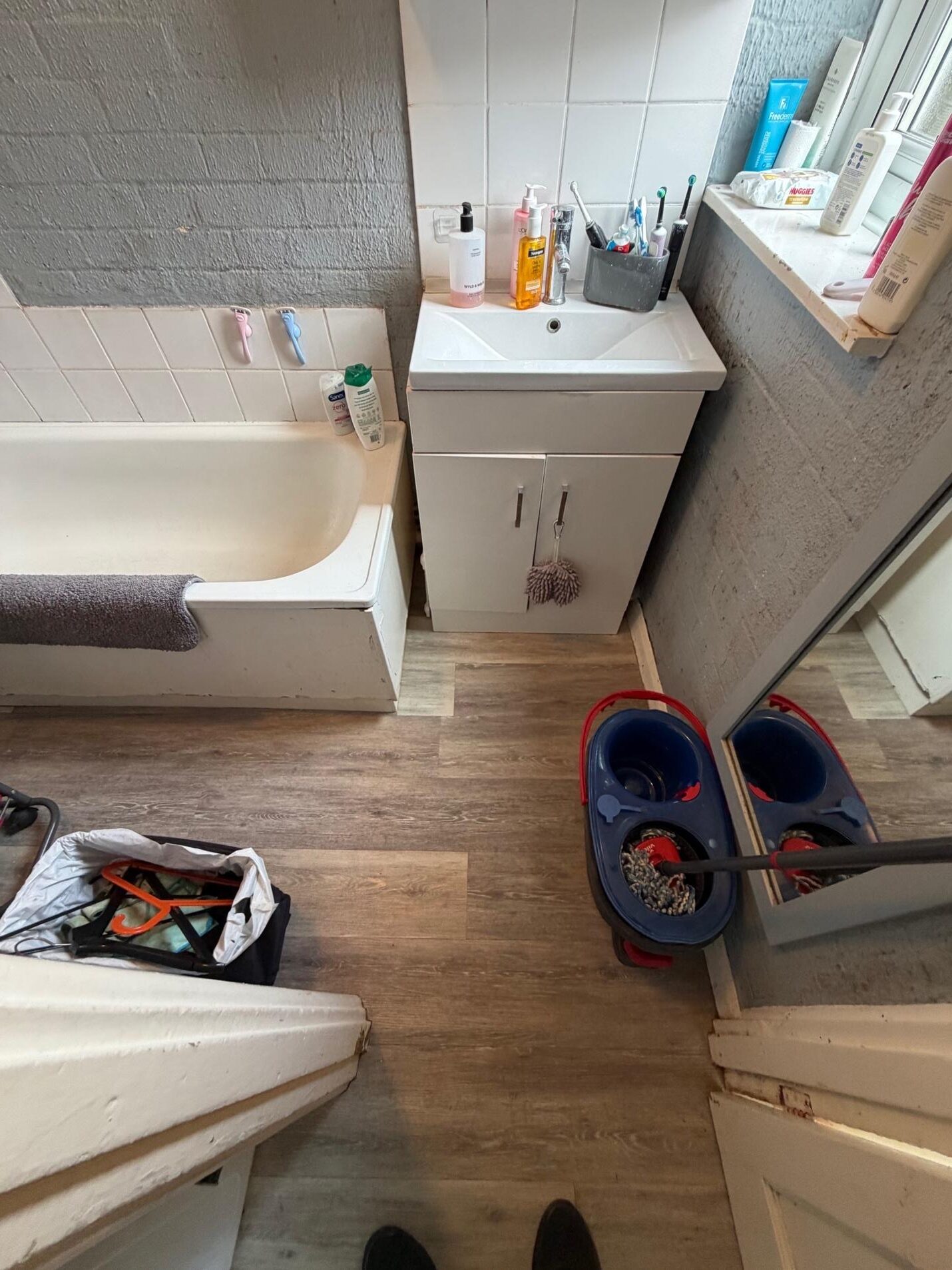
Dark mould patches across the bathroom ceiling and walls caused significant concern for the property owner, alongside loose plaster around the front door. They worried that water was penetrating through external walls, leaking from hidden pipework, or rising through the floor.
The Challenge
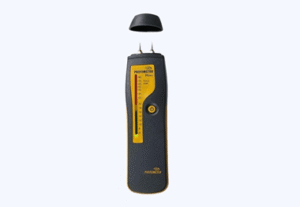
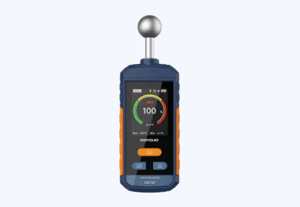
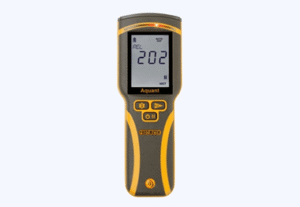
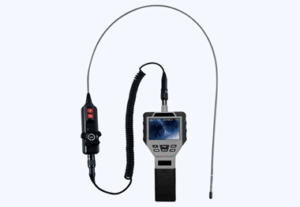
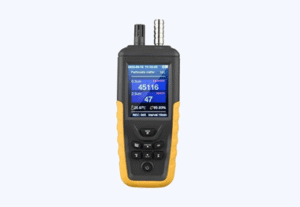
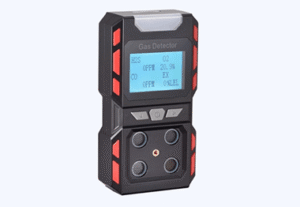
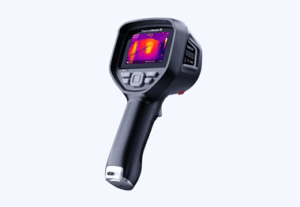
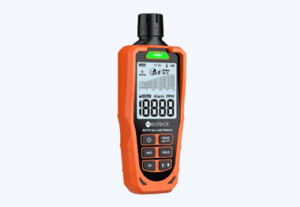
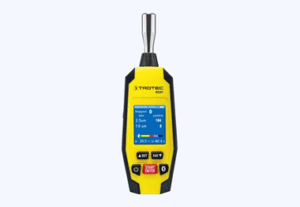
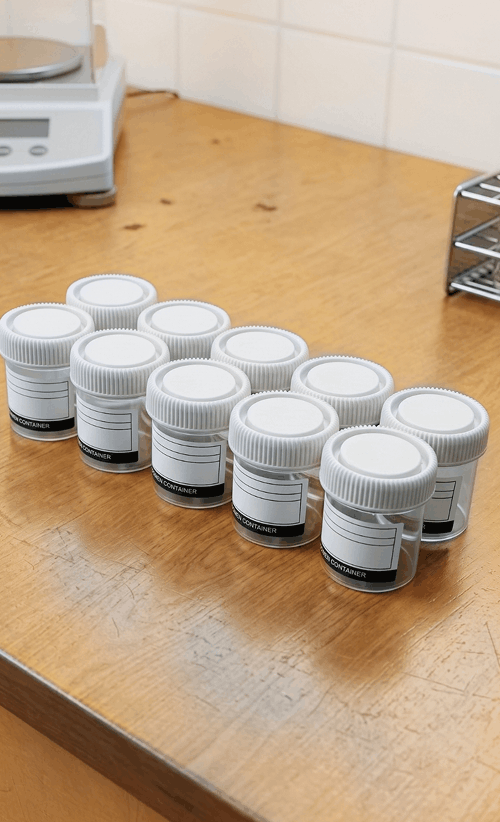
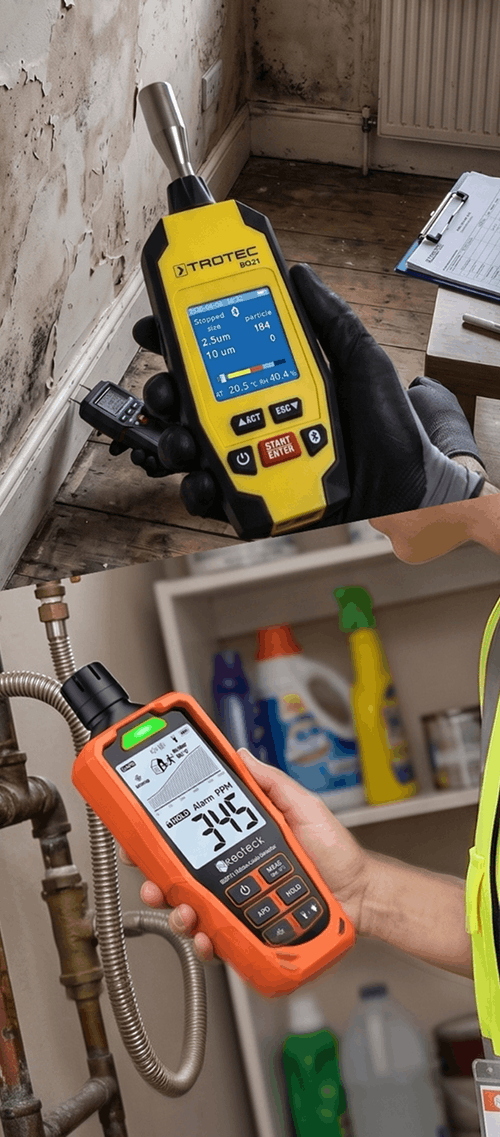
The investigation encompassed an external drone survey of the roof, internal moisture mapping across all ground and upper floor rooms and scientific swab collection for laboratory testing.
Diagnostic testing yielded clear quantitative findings:
- Drone checks showed the roof covering was in good condition, while brickwork, pointing, plumbing and drainage systems were sound, with no timber decay or woodworm detected anywhere.
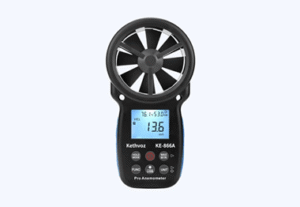
- Moisture meter readings on bathroom surfaces returned dry results despite visible mould, while relative humidity was recorded at 54.7% and extractor fan airflow measured 275.6 ft/min.
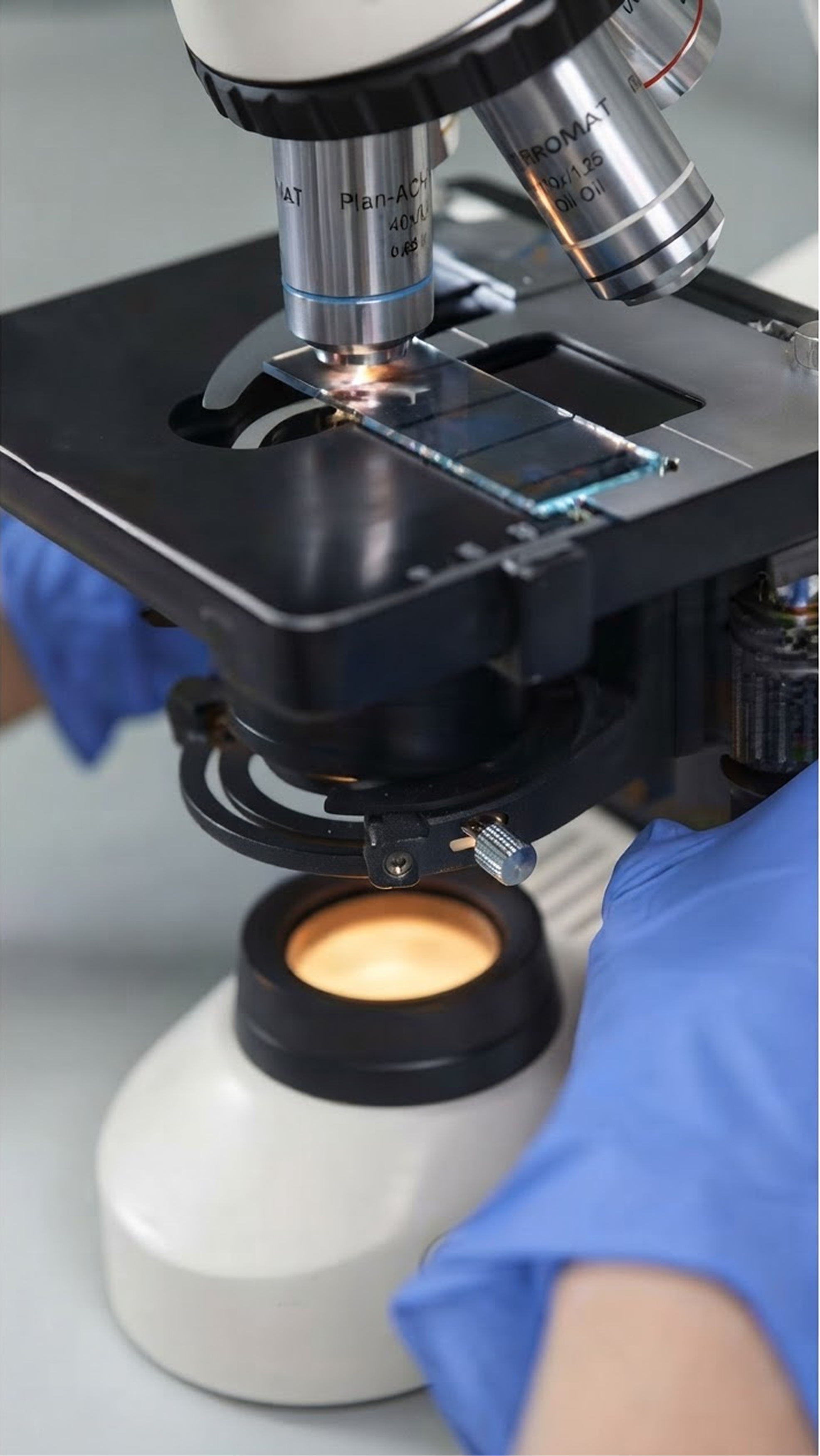
- Laboratory QPCR DNA swab analysis of ground floor samples confirmed species including Aspergillus spp., Penicillium spp., Cladosporium spp. and a low presence of Stachybotrys spp.
- Testing around the front entrance door confirmed the loose plaster was dry, indicating a localised plaster failure rather than active dampness.
An external waste pipe broken at the rear generated exterior green algae and fungal growth, but testing verified it had no impact on internal humidity or mould. Diagnostic reasoning confirmed that intermittent showering steam condensing against cold, uninsulated external walls was solely responsible for the bathroom mould.
The Solution
Resolving the issue requires improving wall insulation and regulating internal relative humidity through the following recommendations:
- Fit insulated (thermal) plasterboard over bathroom walls and the ceiling to elevate surface temperatures and eliminate condensation points (Estimated Cost: £2,000).
- Improve daily ventilation habits by keeping the bathroom door shut during and after bathing, opening windows during showering and allowing the fan to run until humidity clears.
- Run a dehumidifier continuously on auto mode set to 50% humidity with room windows closed.
The Outcome
The survey gave the homeowner total confidence that their building envelope was completely dry and free from rising damp, penetrating damp, or pipe leaks. Instead of spending thousands on unnecessary damp injection courses, they were able to fix the bathroom mould with a £2,000 thermal plasterboard installation and straightforward ventilation adjustments.
Why This Case Matters
Misidentifying condensation as penetrating damp often leads homeowners to spend money on external rendering or chemical damp proofing that fails to stop indoor mould. Independent surveys combine physical moisture testing with QPCR DNA analysis to address the true root cause, cold surface temperatures and atmospheric moisture.