An independent Level 3 damp survey was carried out on a lower ground floor flat in Tooting (SW17). The property owner requested the survey to determine why low-level wall dampness and kitchen mould were manifesting in the living spaces. The comprehensive check offered an impartial, top-to-bottom building evaluation.
About the Issue
Concerns arose after the homeowner identified low-level dampness near the bed, under dining room windows and surface mould in the kitchen. They feared that widespread subterranean water ingress was occurring or that floor joists were rotting underneath carpeted areas.
The Challenge
The inspection covered all internal rooms, wall bases, service lines, external brickwork and mechanical extractors. The goal was to separate liquid water penetration from indoor air quality defects.
The physical investigation established several key points:
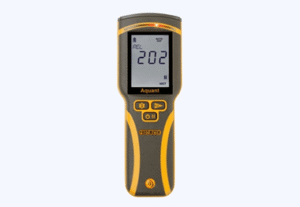
- Environmental meters recorded internal humidity at 61.7% relative humidity with a room temperature of 21.1°C.
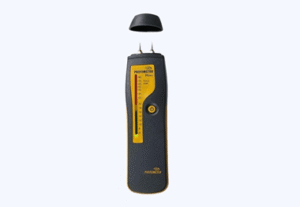
- Calibrated damp testing isolated rising damp to two distinct areas: the wall beside the bed extending into the front of the bedroom and the lower wall section under windows in the dining area.
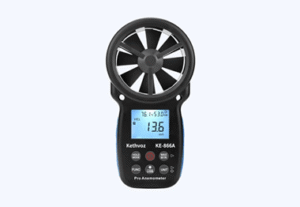
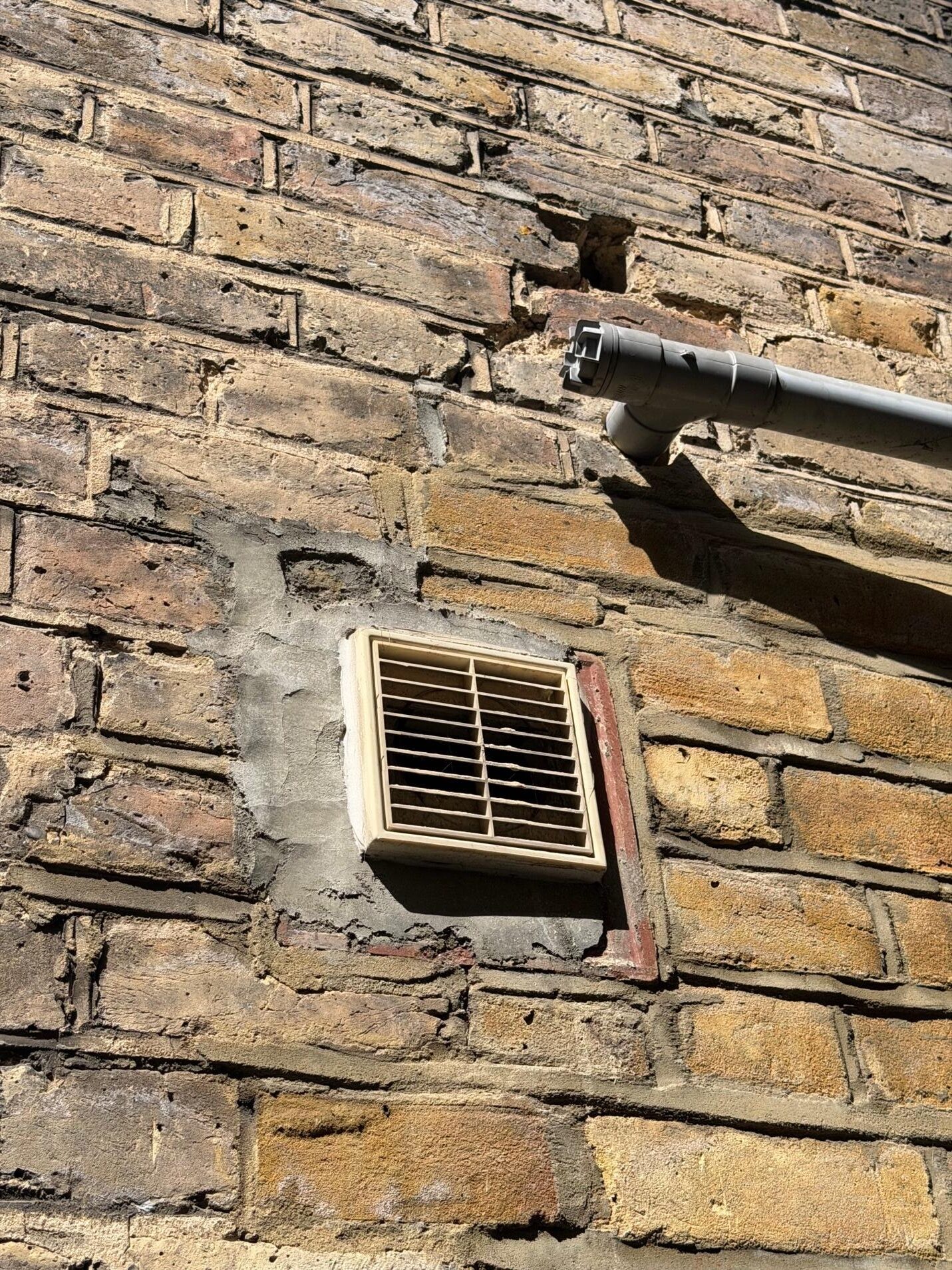
- Ventilation flow testing verified the kitchen extractor fan was operating correctly and delivering adequate airflow, proving kitchen mould was driven by cold bridging on a solid masonry wall combined with localised air stagnation.
- Checks on visible plumbing, drainage, structural masonry and accessible joists confirmed zero pipe leaks, no drain blockages, sound structural integrity and no dry rot, wet rot, or woodworm.
Exterior appraisal confirmed a sound DPC and brickwork, alongside worn, cracked, or missing mortar pointing in isolated sections.
The Solution
The report detailed a practical action plan to stop rising damp, eliminate condensation and maintain weather-tightness:
- Remove plaster back to masonry to an appropriate height in affected bedroom and dining room locations.
- Inject a chemical damp proof course (DPC) into the mortar bed.
- Treat exposed brickwork with salt neutraliser.
- Apply two coats of tanking slurry and a waterproof render system before smooth replastering.
- Boost kitchen air circulation, operate the extractor fan during and after cooking, use a dehumidifier to maintain humidity closer to 50% and reduce cold wall bridging where feasible.
- Patch and repair worn, cracked, or missing external pointing.
The Outcome
The homeowner received definitive proof that their property was structurally healthy and free from pipe leaks. Choosing an independent specialist survey saved them from spending on whole-house damp treatments, directing their budget strictly to two affected walls and basic maintenance.
Why This Case Matters
Diagnostic surveys protect building owners from over-engineered contractor quotes. Verifying that structural timbers, drainage runs and the majority of internal walls are dry allows homeowners to resolve true rising damp and condensation through targeted, cost-effective measures.