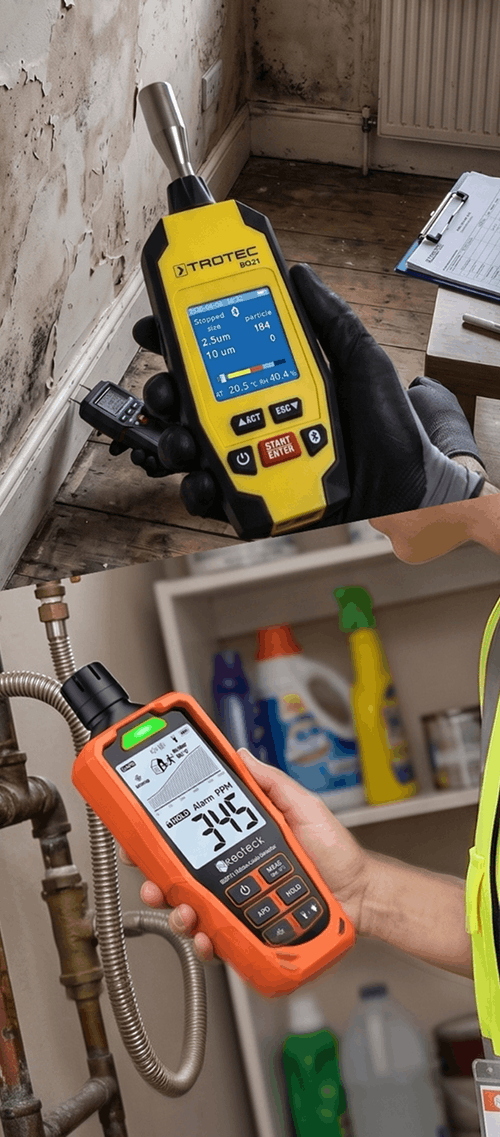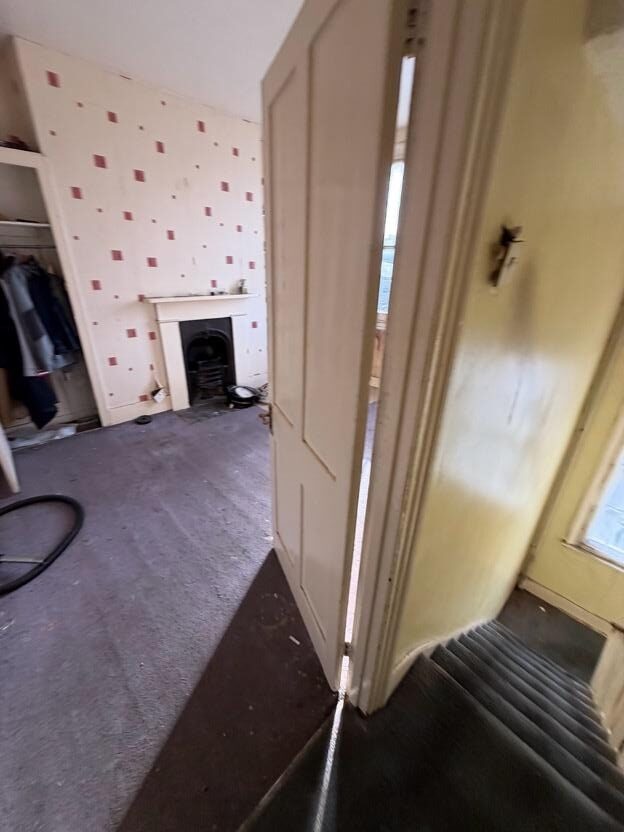
An independent Level 3 damp investigation was commissioned for a residential house in De Beauvoir (N1). The property owner instructed a specialist inspection after identifying moisture issues in both the basement and upper living areas. The objective was to obtain an impartial evaluation to guide essential building repairs.
About the Issue
The homeowner observed visible water saturation along the base of basement walls, dampness under the entrance stairs and plaster breakdown near upper window frames. Fearing that structural decay was setting in and unsure where to begin repairs, they requested a comprehensive diagnostic report.
The Challenge
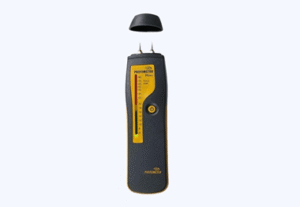
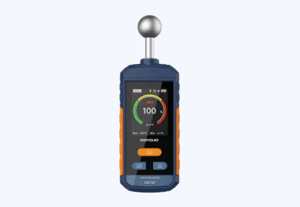
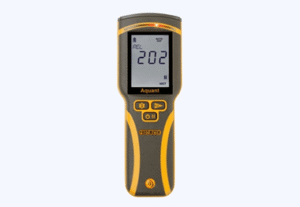
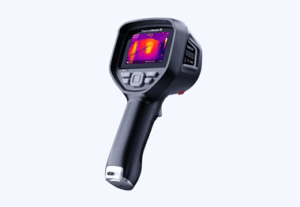
The surveyor conducted a Level 3 investigation covering the basement, upper rooms, external elevations, drainage systems and the loft space.
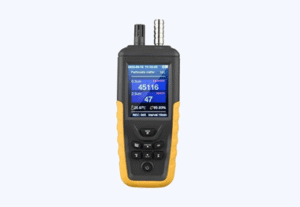
The physical investigation established several key diagnostic points:
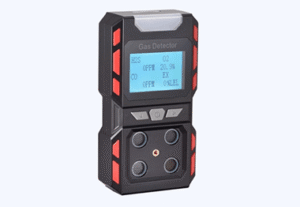
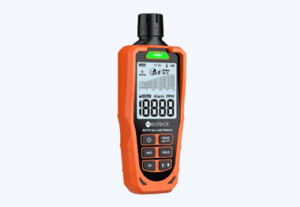
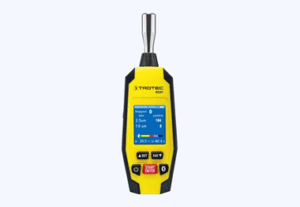
- Atmospheric testing measured internal humidity at 67.3% RH, exceeding the recommended 40–60% RH living range.
- The basement lacked an effective moisture barrier, resulting in rising damp across all walls, a damp floor and penetrating damp beneath the front entrance stairs.
- Upper window frames were in poor condition with rotted sills, permitting water ingress around reveals that damaged internal plaster.
- External checks revealed missing render near the roofline, leaking gutters and downpipes, rear drainage defects, uncapped chimney pots, a rotted rear door frame and leaf build-up raising ground levels against rear walls.
Loft checks confirmed zero evidence of woodworm or structural timber decay. The diagnostic analysis showed that external water ingress was actively soaking internal walls, establishing that exterior maintenance must be completed before any basement tanking or internal plastering occurs.
The Solution
The report detailed a six-part action plan arranged in strict order of priority:
- 1st Priority (Roof & Drainage): Repair or replace leaking gutter sections and downpipes, replace missing high-level render, install chimney caps on all chimney pots and address rear drainage issues.
- 2nd Priority (External Joinery): Repair or replace rotted window frames, sills and the rear door frame, externally resealing all window perimeters.
- 3rd Priority (Ground Debris & Levels): Remove leaf accumulation and reduce external ground levels along the rear wall.
- 4th Priority (Basement Waterproofing): Strip plaster to 1.4m height, inject a chemical DPC, apply salt neutraliser, tanking slurry, waterproof Sika render and breathable plaster, alongside full tanking, waterproof render and a waterproof concrete floor slab under the front stairs.
- 5th Priority (Internal Reinstatement): Remove and replace damaged plaster around window reveals once dry, redecorating external sills and panels.
- 6th Priority (Ventilation): Deploy mechanical ventilation or dehumidification to manage internal relative humidity.
The Outcome
The survey provided the homeowner with a practical repair strategy that eliminated guesswork. By establishing that external defects were the primary drivers of internal moisture, the independent report saved the owner from spending money on premature internal redecoration or tanking.
Why This Case Matters
Complex damp problems cannot be solved with a single quick fix. Independent diagnostic surveys provide property owners with a clear priority sequence, ensuring that external rainwater goods and joinery are made watertight before internal waterproofing systems are installed.