This independent Level 3 damp survey evaluated a residential property located in Thames Ditton (KT7). Commissioned by the property owner to determine the source of kitchen floor moisture, the survey delivered an objective, evidence-based diagnostic check. The assessment evaluated the subfloor structure, pipe trenching and external elevations without commercial bias.
About the Issue
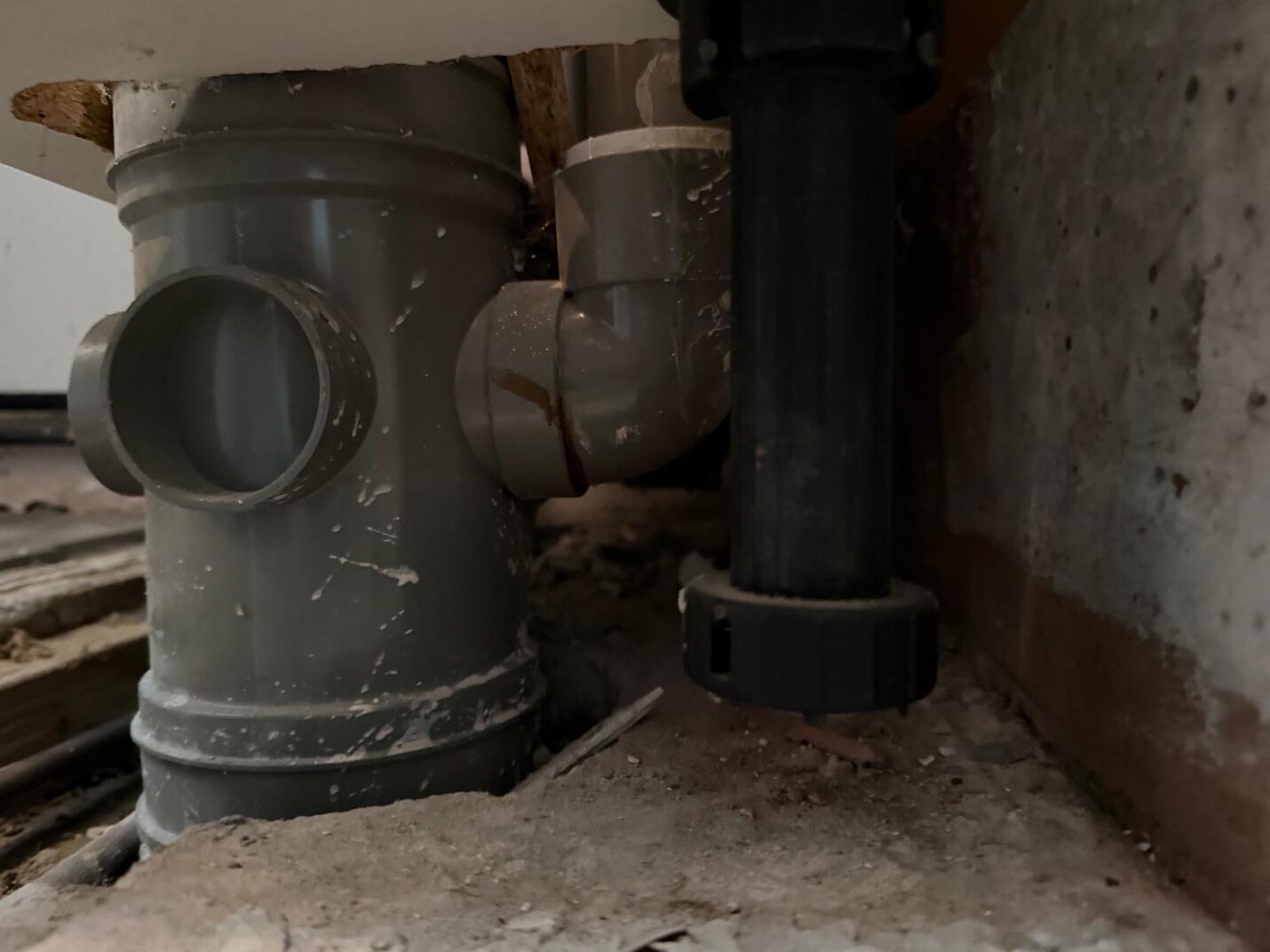
The homeowner observed dampness along an exposed concrete floor trench in the kitchen. Fearing that rising groundwater was saturating the slab or that subfloor joists and base units were deteriorating, they requested a professional inspection to determine the necessary repair sequence.
The Challenge
The surveyor conducted a comprehensive Level 3 investigation across the kitchen area and external perimeters, testing concrete moisture content and checking external ground heights.
Testing and visual observations gathered clear factual evidence:
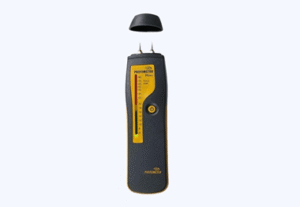
- Calibrated moisture meters confirmed elevated dampness concentrated beside the trench closest to the kitchen cabinetry.
- External checks confirmed that external ground levels were well maintained and not causing lateral water penetration into the floor slab.
- All external ground bridging causes were ruled out, narrowing the root cause down to either concealed pipework leakage or a defective subfloor damp-proof membrane (DPM).
- The findings confirmed that leak detection must occur first, as damp proofing over an uncorrected plumbing leak would cause water to build up and spread.
The diagnostic reasoning provided a decision framework balancing repair thoroughness against property disruption.
The Solution
To permanently resolve the moisture issue, the survey recommended a structured diagnostic and remedial sequence:
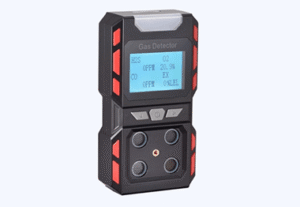
- Plumbing Verification: Instruct a plumber specialising in leak detection to conduct pressure testing and tracer gas checks on trench pipework. If a leak is corrected, allow one month of natural drying before re-testing with a damp meter.
- Remedial Option 1 (Maximum Protection): If rising ground moisture is proven, remove kitchen units and tiles, break out the concrete, lay a new plastic DPM beneath new concrete and reinstate finishes.
- Remedial Option 2 (Balanced Protection): Remove kitchen units and tiles, prepare the slab and apply a liquid DPM across the entire kitchen floor surface.
- Remedial Option 3 (Localised Fix): Apply a liquid DPM strictly to the exposed concrete in the trench area before re-tiling, accepting potential moisture risks in untreated adjacent areas.
The Outcome
The property owner achieved complete peace of mind knowing the exact cause was narrowed down, and external ground levels were sound. By following an independent diagnostic report, they avoided unnecessary slab excavation, starting with targeted plumbing pressure tests.
Why This Case Matters
Subfloor pipe trenches in concrete slabs create complex moisture dynamics. Independent diagnostic surveys establish clear, step-by-step protocols that resolve potential plumbing leaks first before evaluating full-slab versus localised DPM treatments.