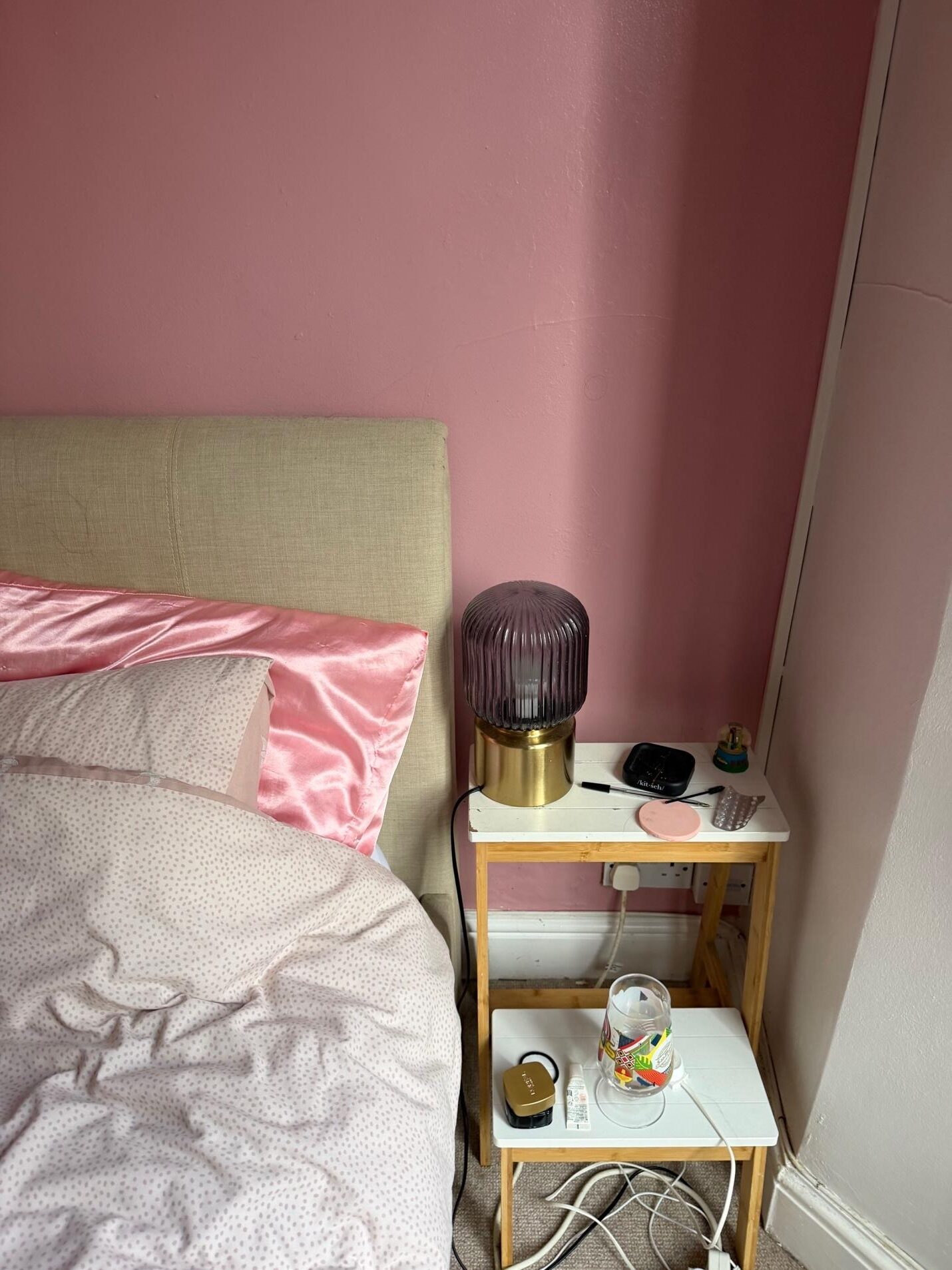
This independent Level 3 damp survey examined a lower ground floor flat located in Tooting (SW17). Commissioned by the property owner to investigate low-level moisture and kitchen wall staining, the survey delivered an objective, evidence-based assessment. The health check covered all structural components, sub-areas and atmospheric conditions without commercial bias.
About the Issue
The homeowner observed flaking paint along wall bases near the bedroom and dining room windows, alongside dark patches on a kitchen wall. Fearing that structural timber rot or hidden plumbing leaks were threatening the home, they requested an expert diagnostic survey.
The Challenge
The surveyor conducted a complete Level 3 investigation across all internal living spaces, testing walls, floor slabs, structural joinery, pipework and external elevations.
Testing and visual observations gathered specific factual evidence:
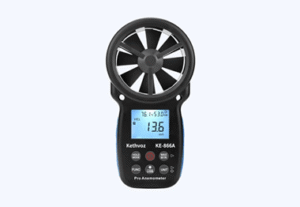
- Atmospheric instruments recorded 61.7% relative humidity at an internal temperature of 21.1°C.
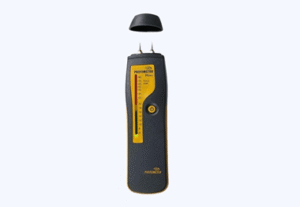
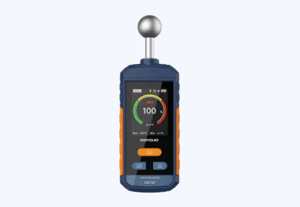
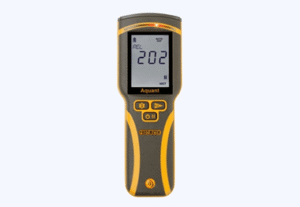
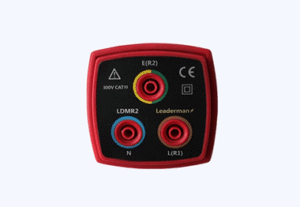
- Testing with a calibrated damp meter confirmed localised rising damp on the wall beside the bed (extending into the front section of the bedroom) and the lower section of one wall beneath windows in the dining area.
- Functional flow checks on the kitchen extractor fan confirmed it was working correctly with adequate airflow, attributing surface mould to cold bridging on an uninsulated solid masonry wall combined with restricted local air circulation.
- Physical testing confirmed complete freedom from plumbing leaks, blocked drains, structural movement and timber defects (dry rot, wet rot, woodworm).
External examination confirmed the damp proof course and brickwork were intact, though localised pointing was worn, cracked, or missing.
The Solution
To resolve the rising damp and manage internal microclimate conditions, the report recommended the following sequence:
- Strip damaged plaster to an appropriate height in the bedroom and dining area to expose raw masonry.
- Inject a chemical damp proof course (DPC) into mortar joints to re-establish a barrier against capillary rise.
- Treat exposed wall surfaces with a salt neutraliser to render inert any hygroscopic salts.
- Apply two coats of tanking slurry followed by a protective waterproof render system, finishing with smooth replastering.
- Improve kitchen ventilation habits, run the working extractor fan during and after cooking, use a dehumidifier to target humidity levels closer to 50% and address cold bridging where possible.
- Execute repointing and patching across worn, cracked, or missing external pointing.
The Outcome
The property owner achieved total peace of mind knowing the flat was structurally sound and pipework was leak-free. By following an independent diagnostic report, they avoided unnecessary building works across dry rooms, limiting repairs to targeted wall damp proofing and minor repointing.
Why This Case Matters
When an extractor fan passes a ventilation flow test yet mould still appears, the issue is often cold surface temperatures combined with localised air stagnation. Independent damp diagnostic surveys evaluate thermal wall performance alongside mechanical ventilation, preventing homeowners from replacing working fans unnecessarily.